
UK Buildings, Structures, and Statues
Pubs |
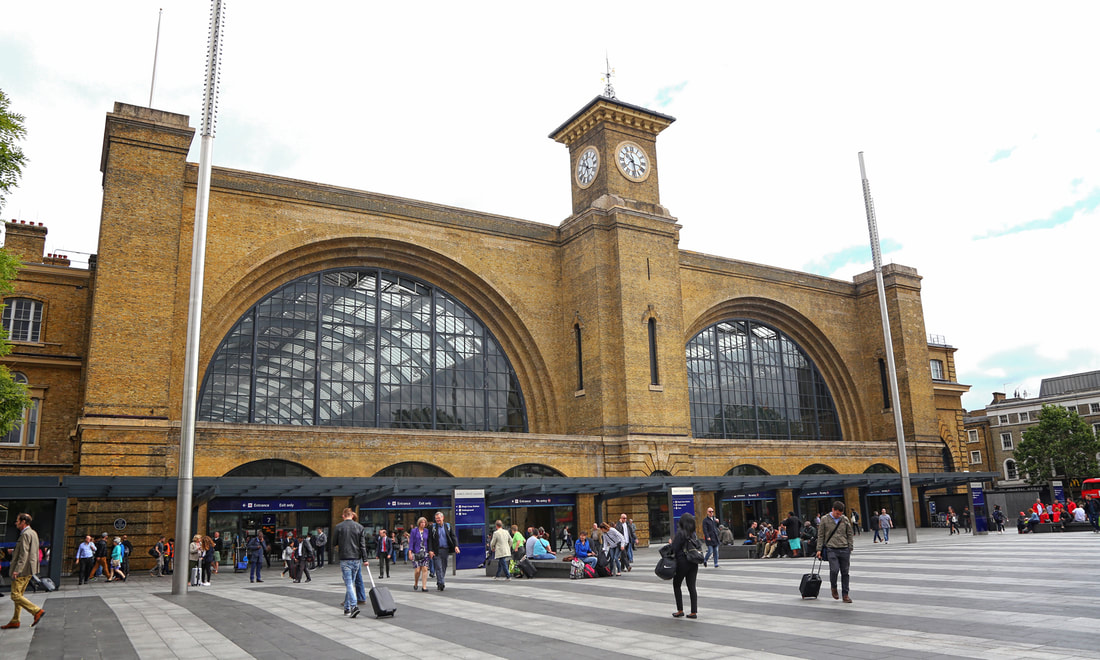
UK Railway Station Buidlings |
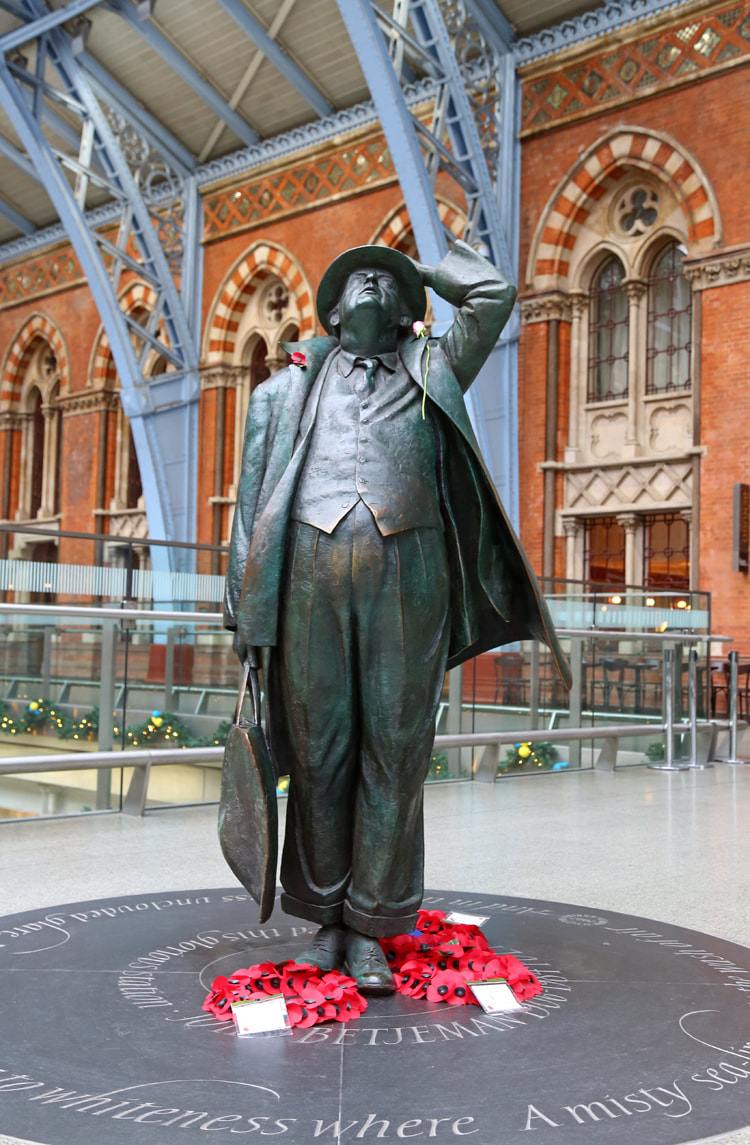
Statues, Monuments, Sculptures & Figurines |
|
|
|
Mayfield, Manchester: Abandoned Station Tour, 26th May 2018
Manchester Mayfield is a former railway station in Manchester, England, located on the south side of Fairfield Street next to Manchester Piccadilly Station (At the time named Manchester London Road). It opened in 1910 and was used by relief trains on suburban services to the south of Manchester. The station came into its own during electrification in the 1950’s but by August 1960 it was closed by British Rail.
I attended a tour with well known Mancunian Tour Guide, Jonathan Schofield which walked attendees through the site allowing them to see the current derelict state of the former station and buildings, and to learn about the history and unique character of this special site.
I attended a tour with well known Mancunian Tour Guide, Jonathan Schofield which walked attendees through the site allowing them to see the current derelict state of the former station and buildings, and to learn about the history and unique character of this special site.
The Weymouth Harbour Tramway
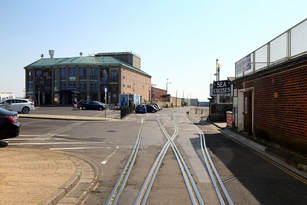
The Weymouth Harbour Tramway is a disused tramway running entirely on the streets of Weymouth, from a junction to the north of Weymouth station to Weymouth Quay station at Weymouth Harbour. It was Built in 1865, and was last used for regular services in 1987. Its last ever services were special trains on 1 April 1995 and 2 May 1999. The line was first used to transport goods directly to and from the dockside but also conveyed passengers to the Condor Ferry Terminal. The unique ‘street running’ section allows trains, pedestrians and cars to travel over the same area, this in itself in the days of common sense and self awareness was not a problem but in modern day Britain poses all manner of health and safety issues. I traveled on foot of over what remains of the line today recording some of the interesting views along the short stretch from Weymouth Station to the Quayside.
The Princess Royal Stand - Cheltenham Racecourse.
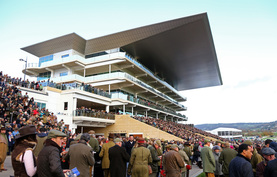
On the Friday 13th October Cheltenham Racecourse officially opened their brand new Princess Royal Building at The Open. The event concluded a two year construction build by Kier Construction and the £45million redevelopment of the course . Her Royal Highness The Princess Royal has a long association with the Cheltenham Racecourse, and gave her name to the new stand as well as agreeing to perform the official opening at twelve noon on Friday 13th November. Huge crowds gathered for the opening event which lead to an afternoon of races. The new building features three terrace levels and provides an additional capacity to the existing racecourse stand.
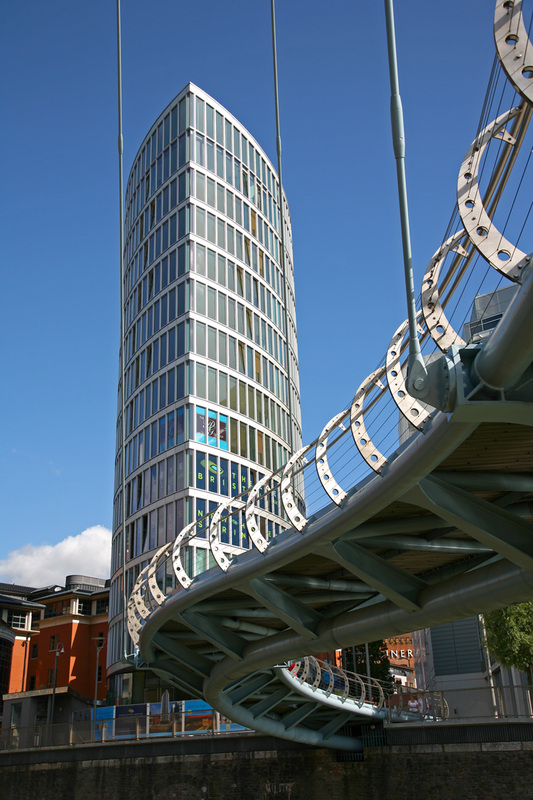
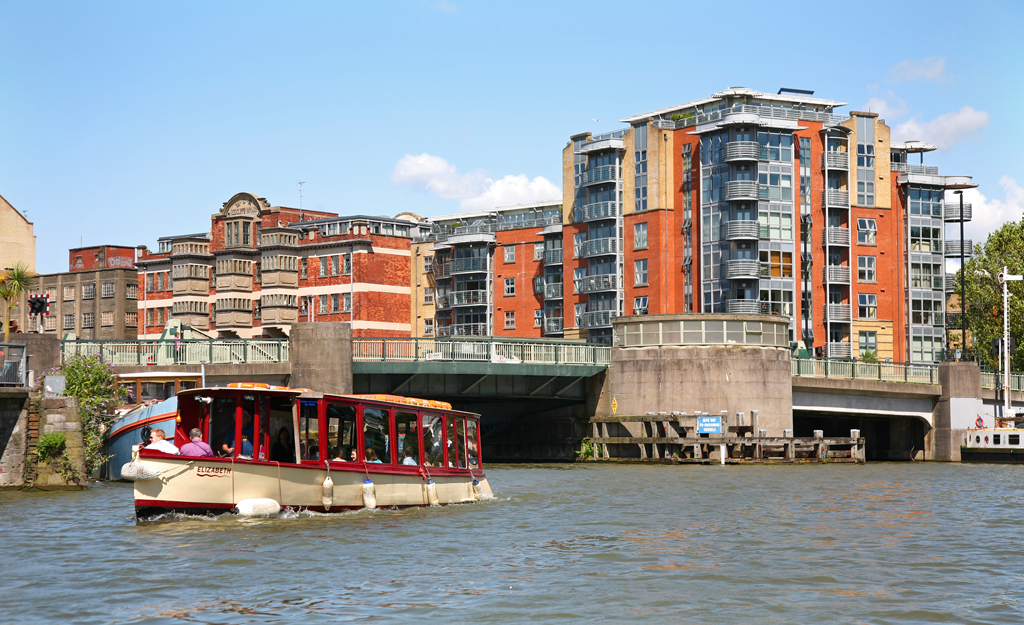
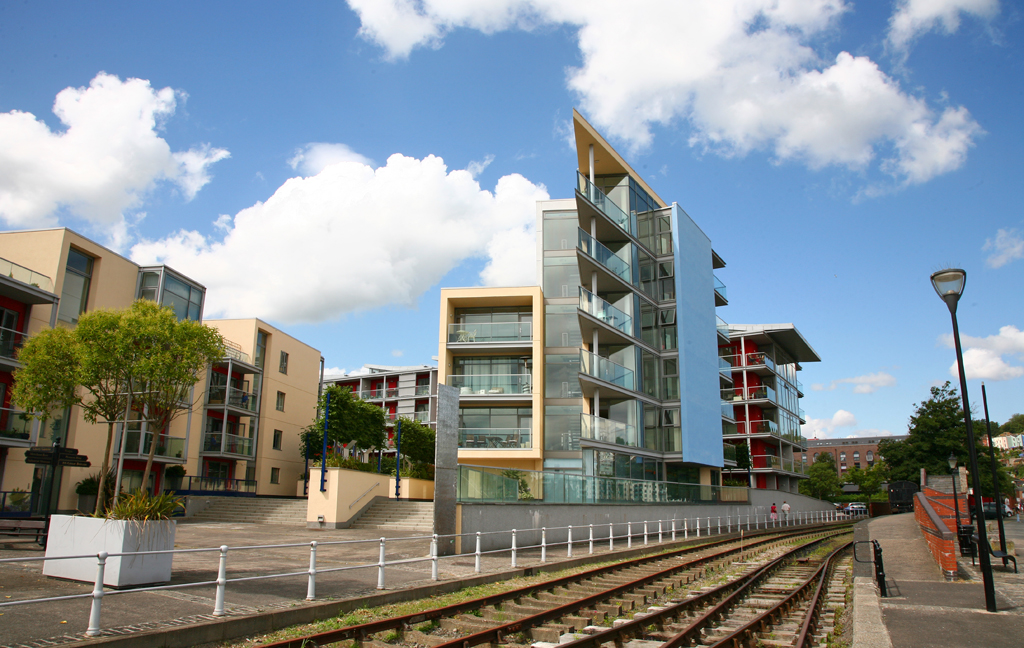
Bristol: Temple Quay and Harbourside
|
|
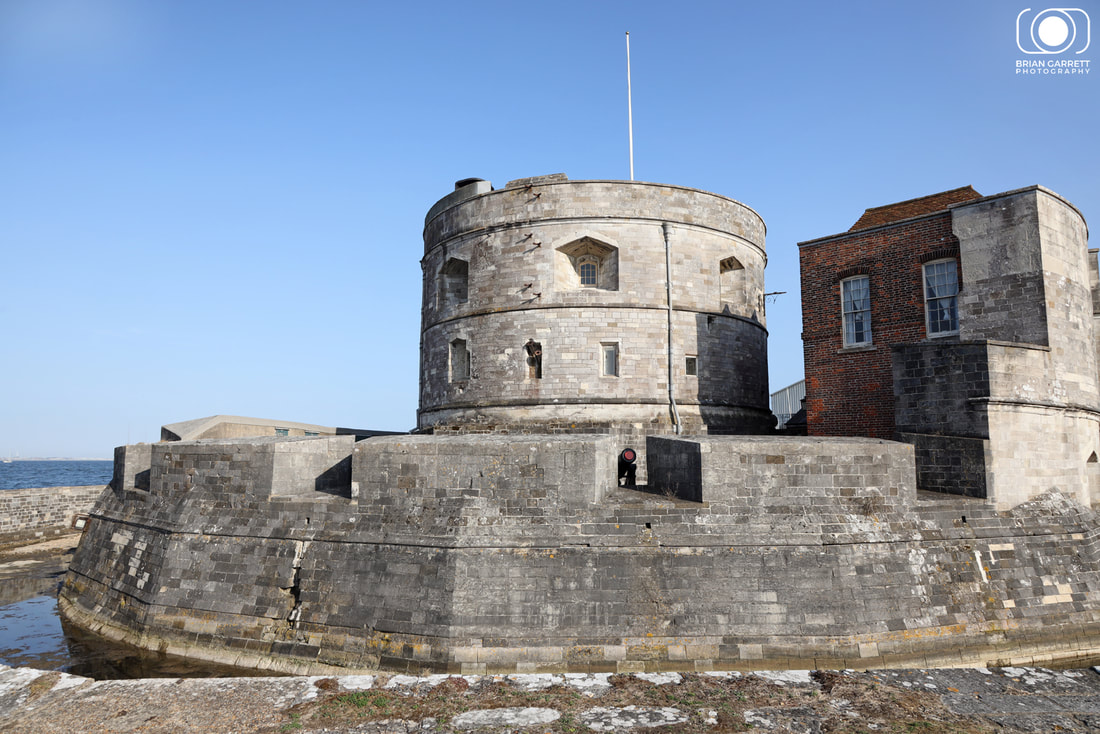
Calshot Castle
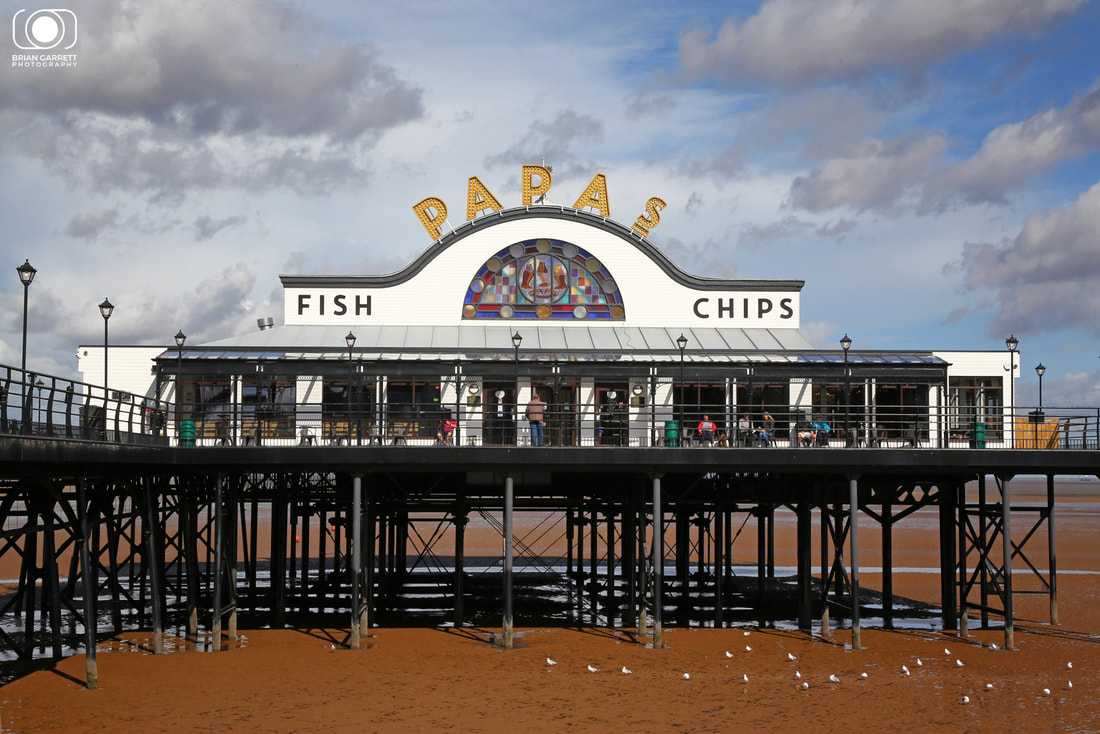
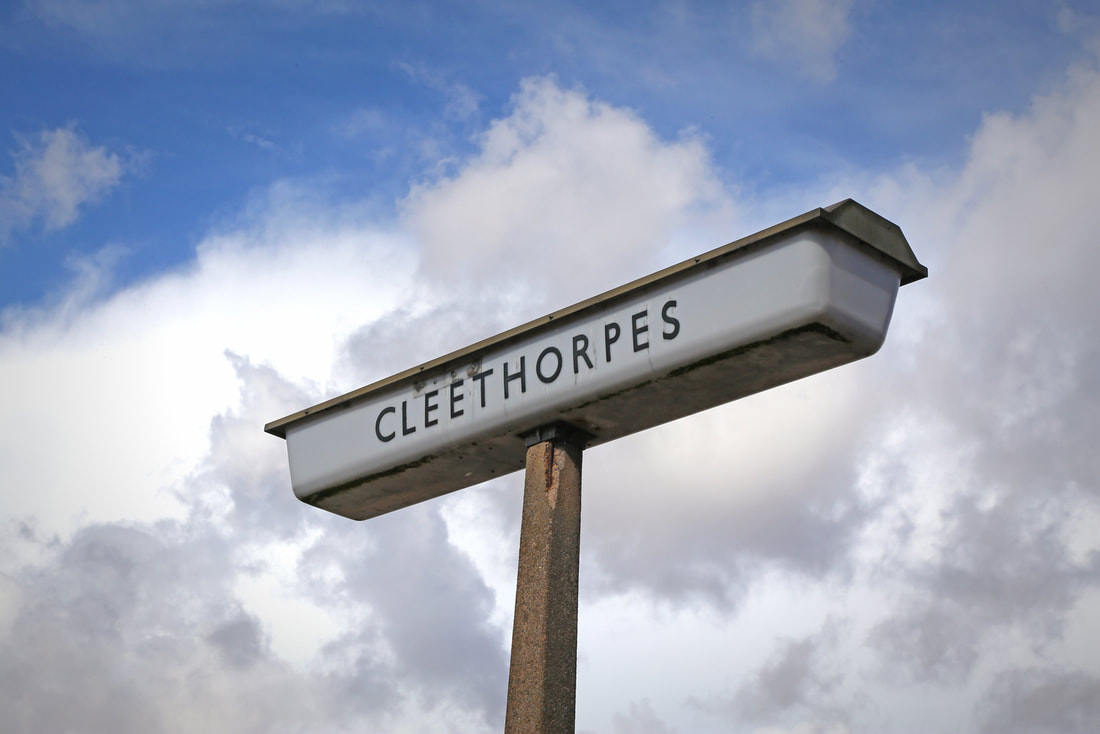
Cleethorpes
|
|
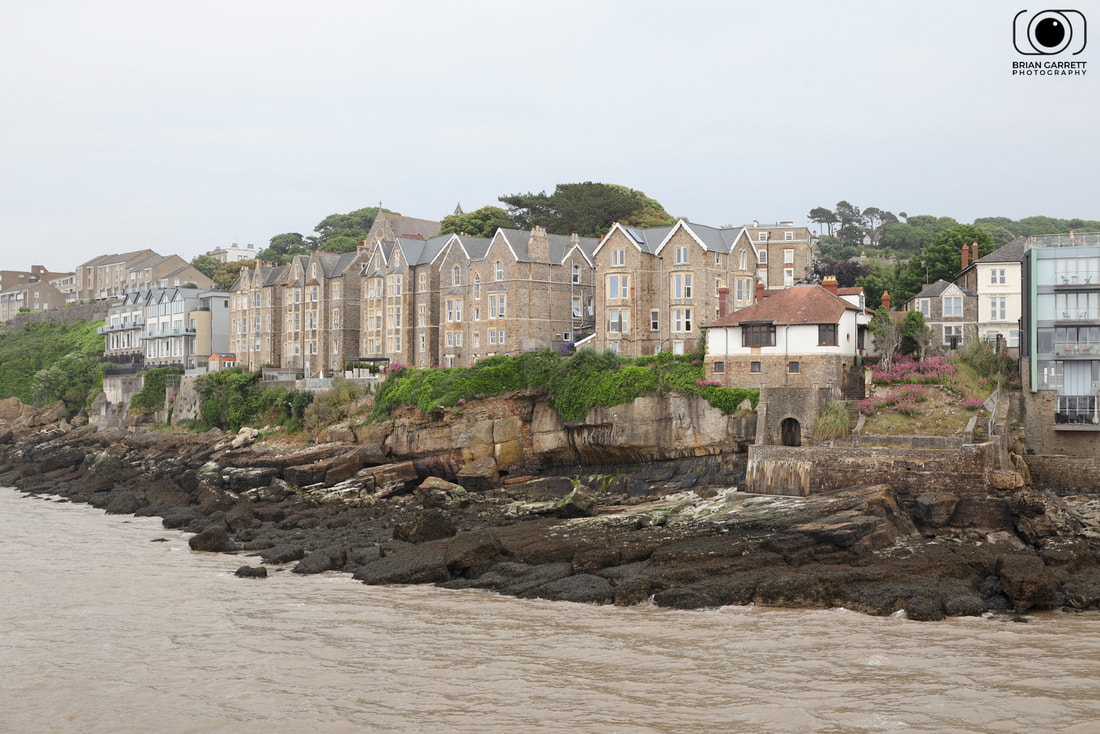
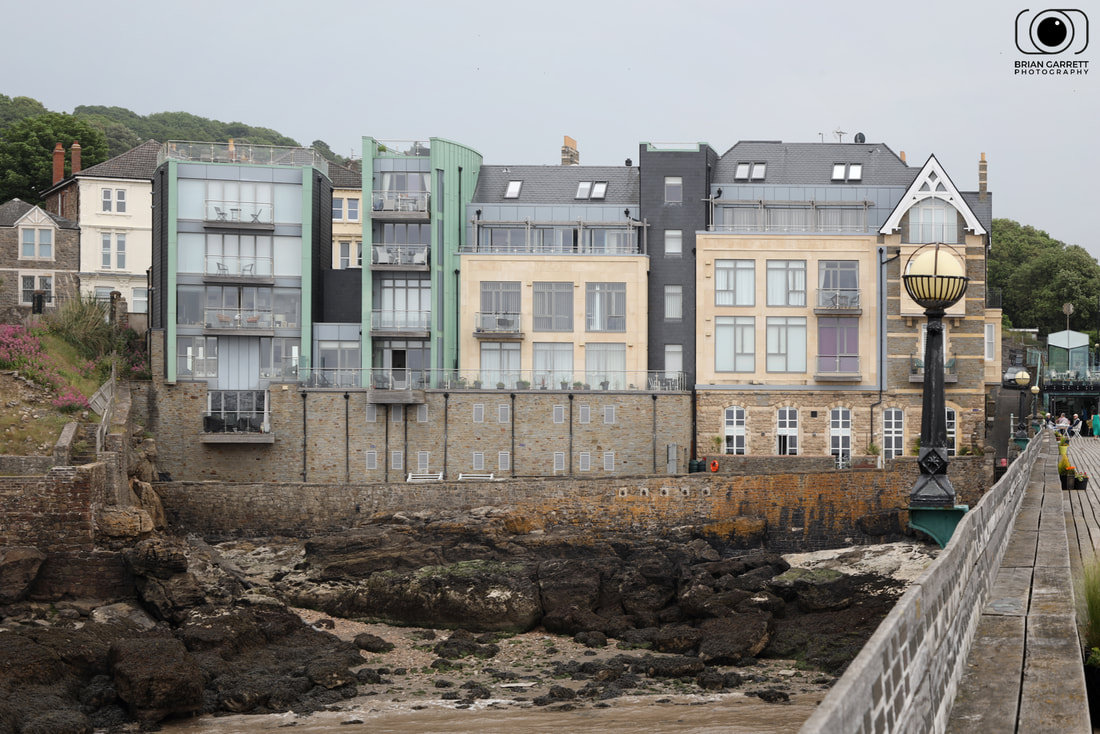
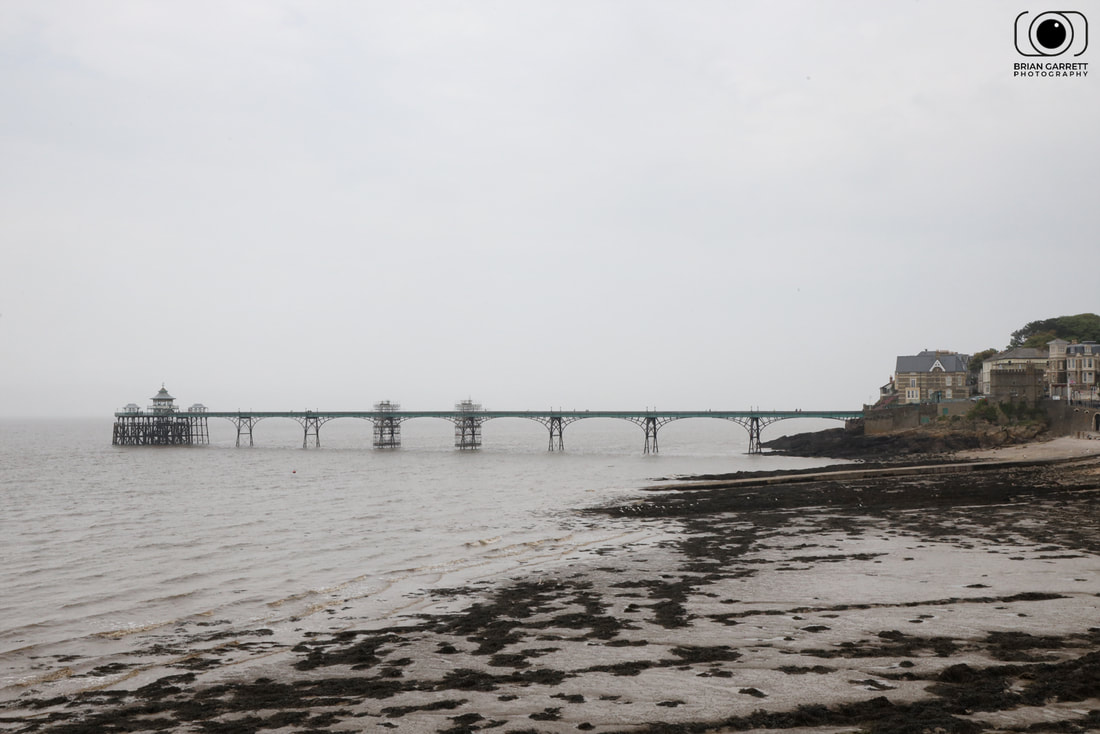
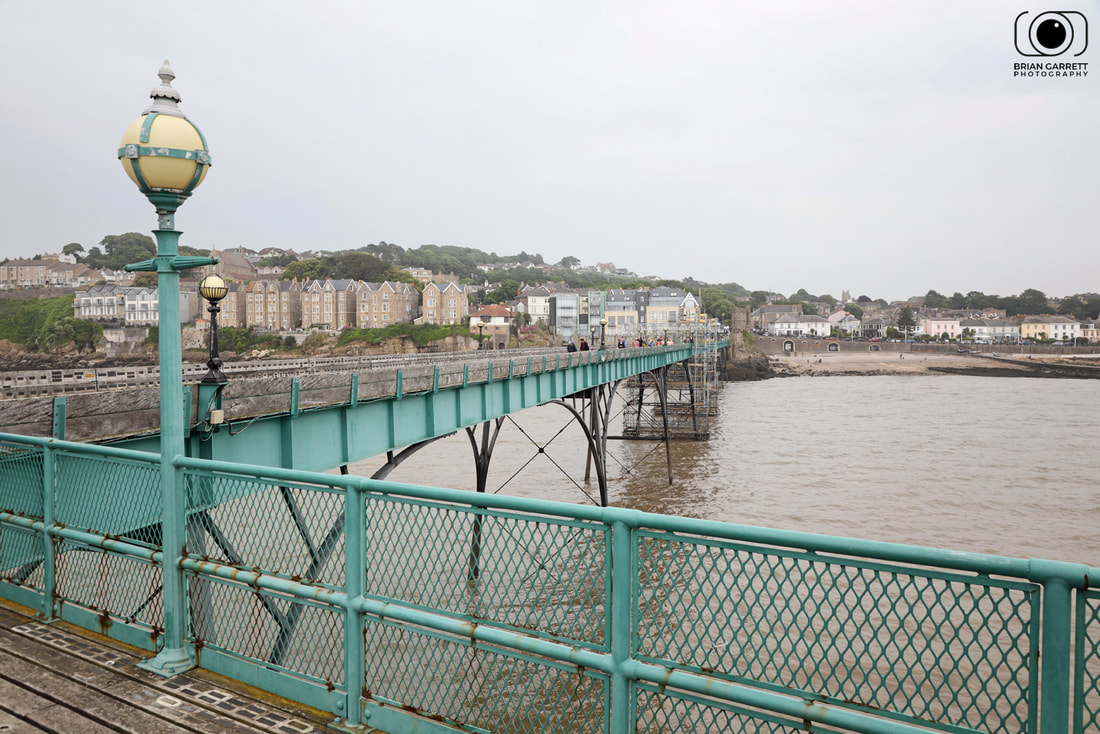
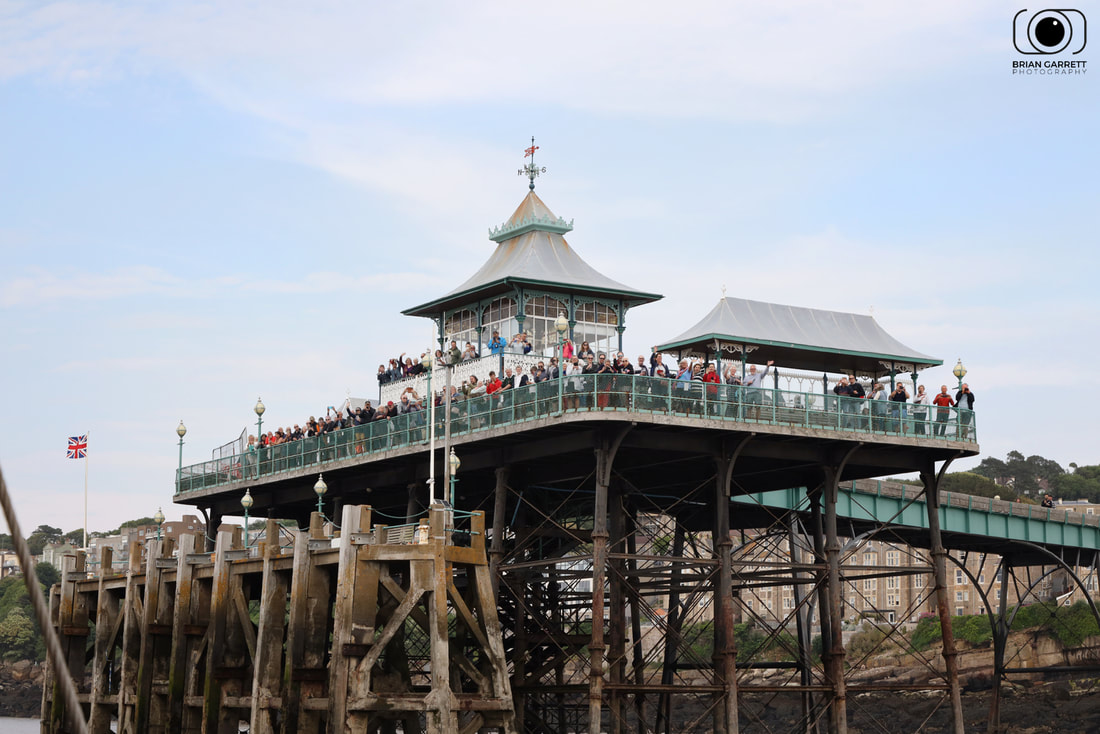
Clevedon & Clevedon Pier
|
|
|
|
Derby
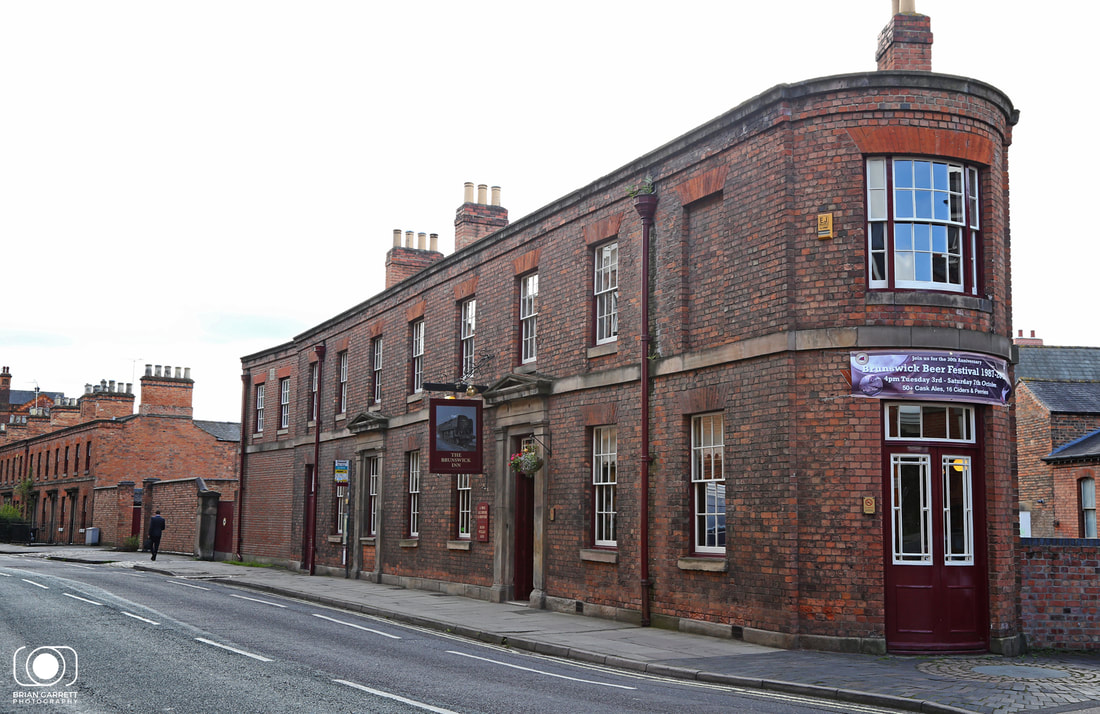
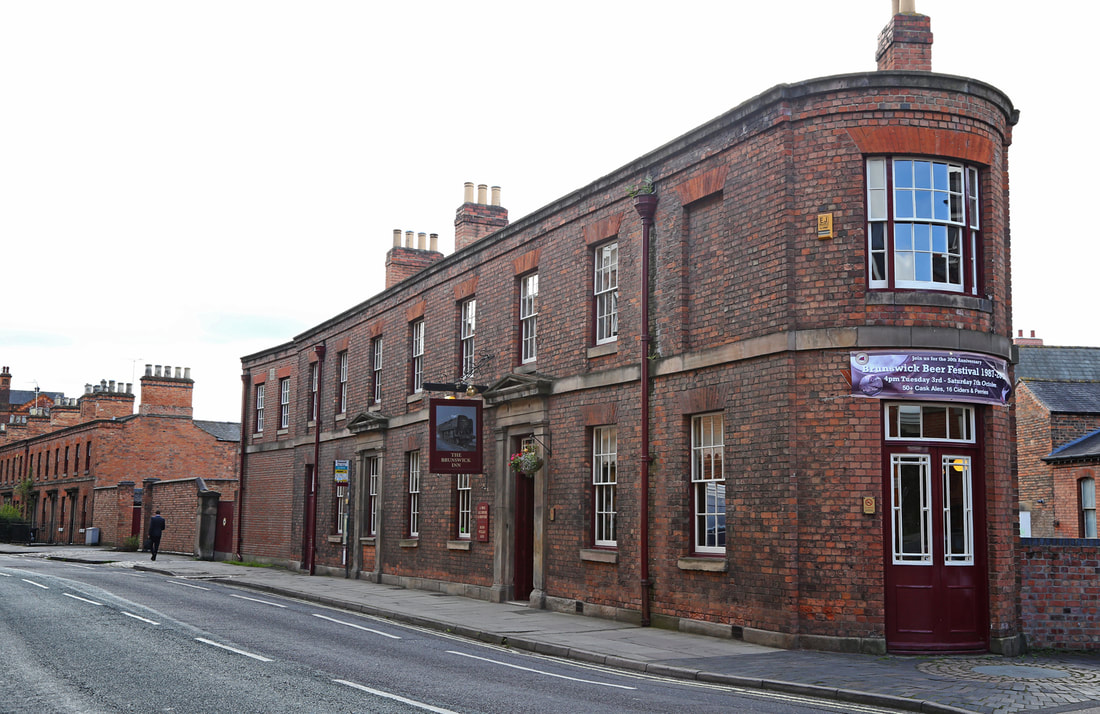
The Brunswick Inn - Derby
|
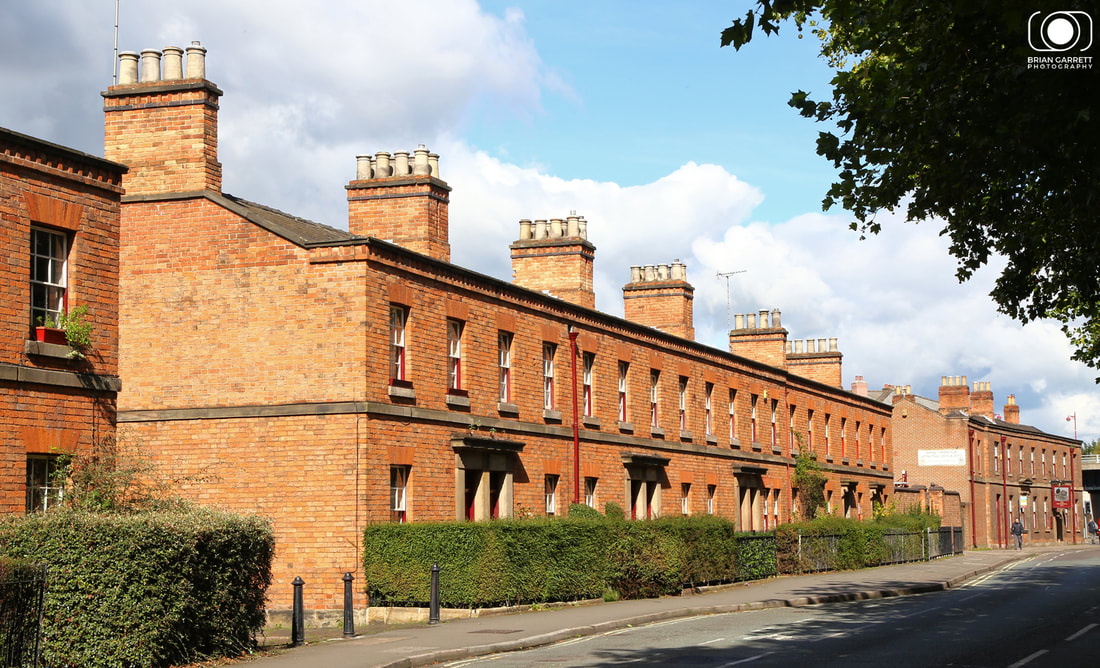
Railway Cottages - Derby
|
Doncaster
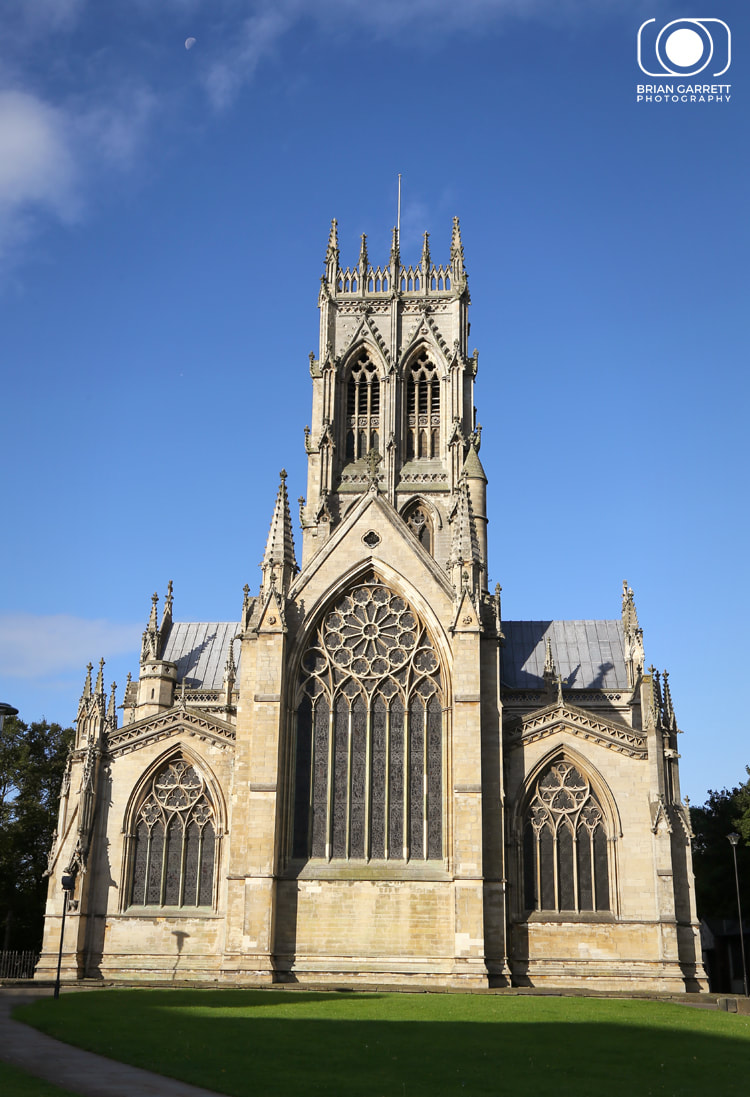
The Minster Church of St George Doncaster
|
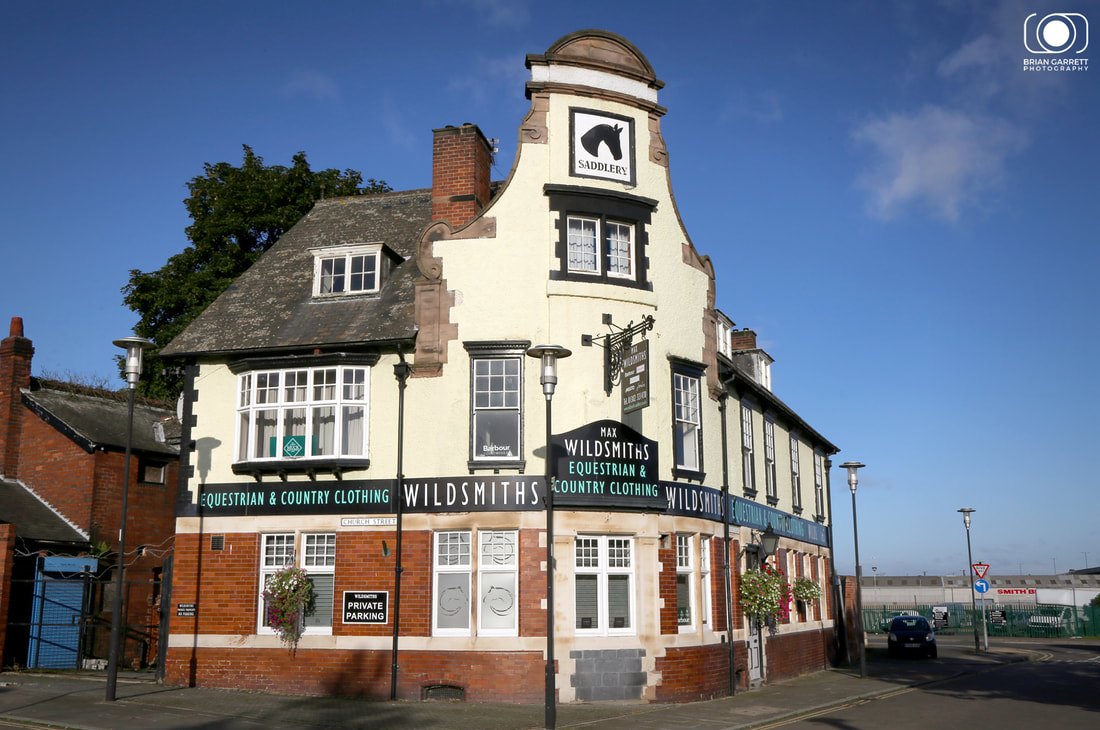
Wildsmiths Saddlery, Doncaster
|
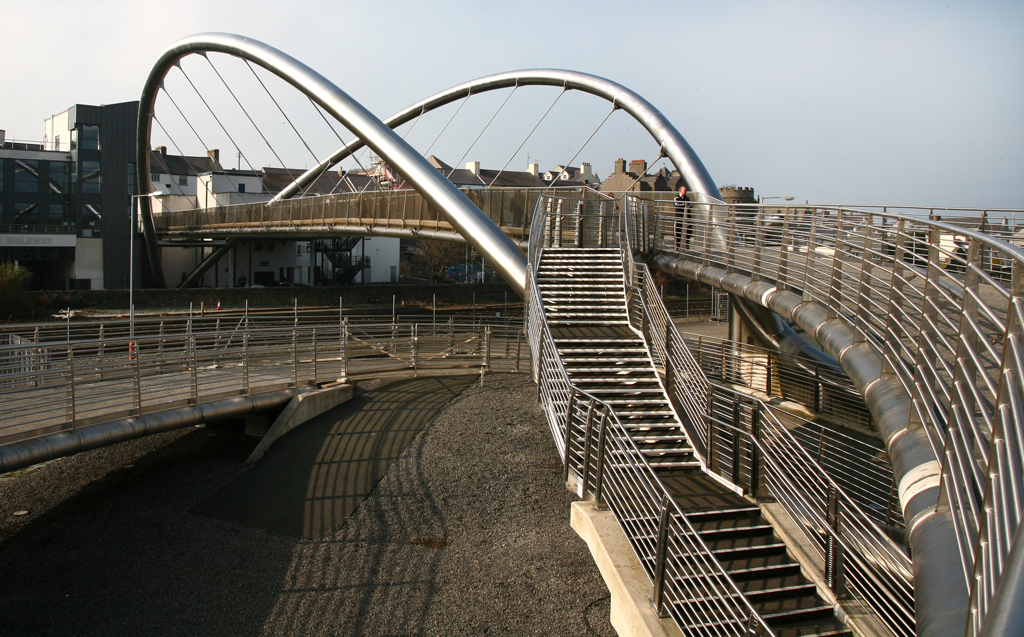
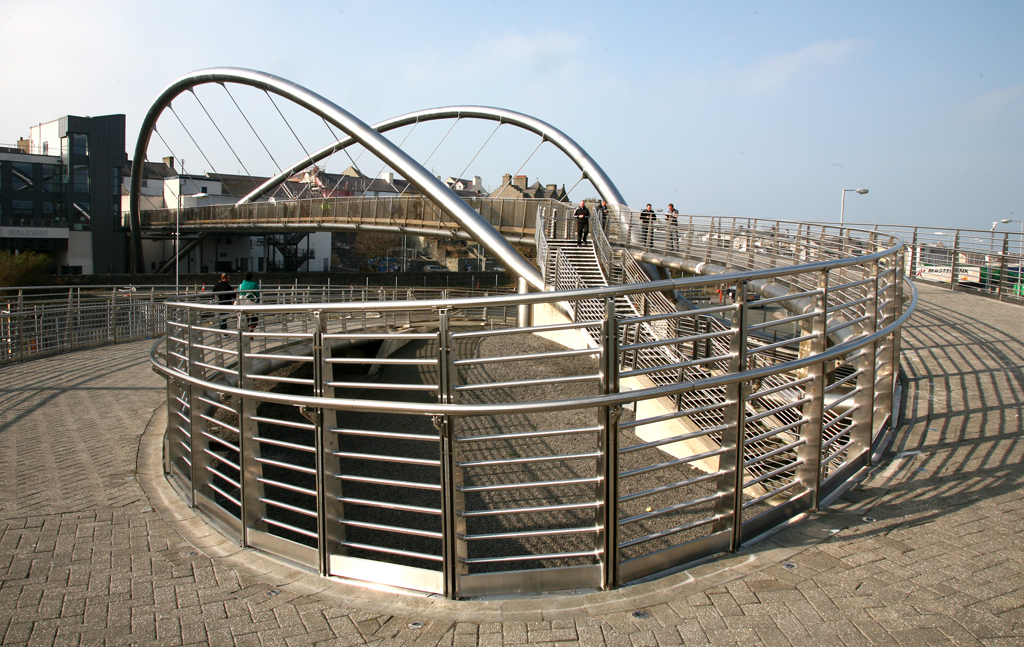
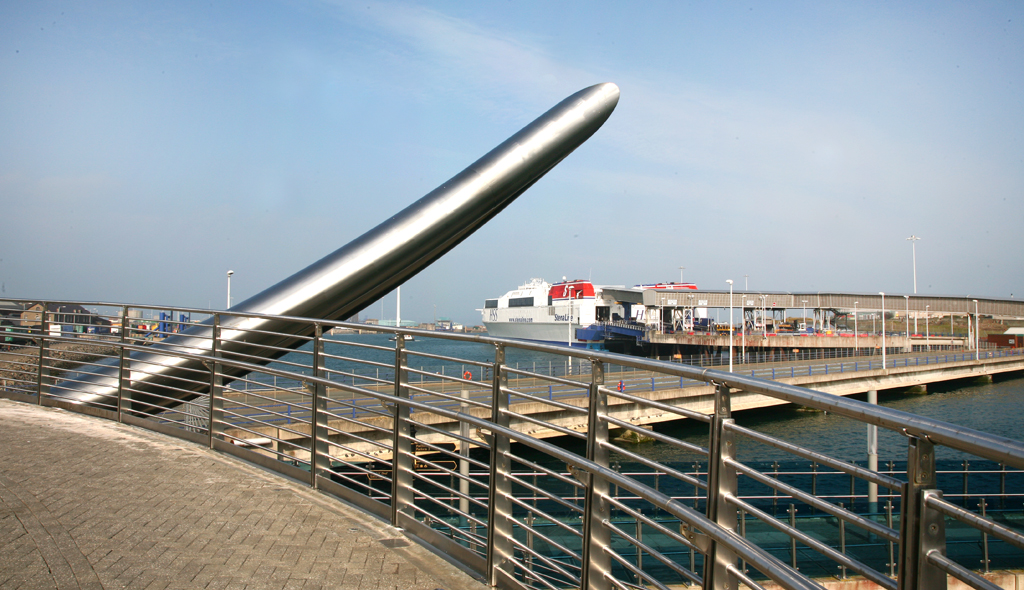
Holyhead
|
|
|
|
Ipswich Wharf
|
|
Isle of Man

Baldrine Station
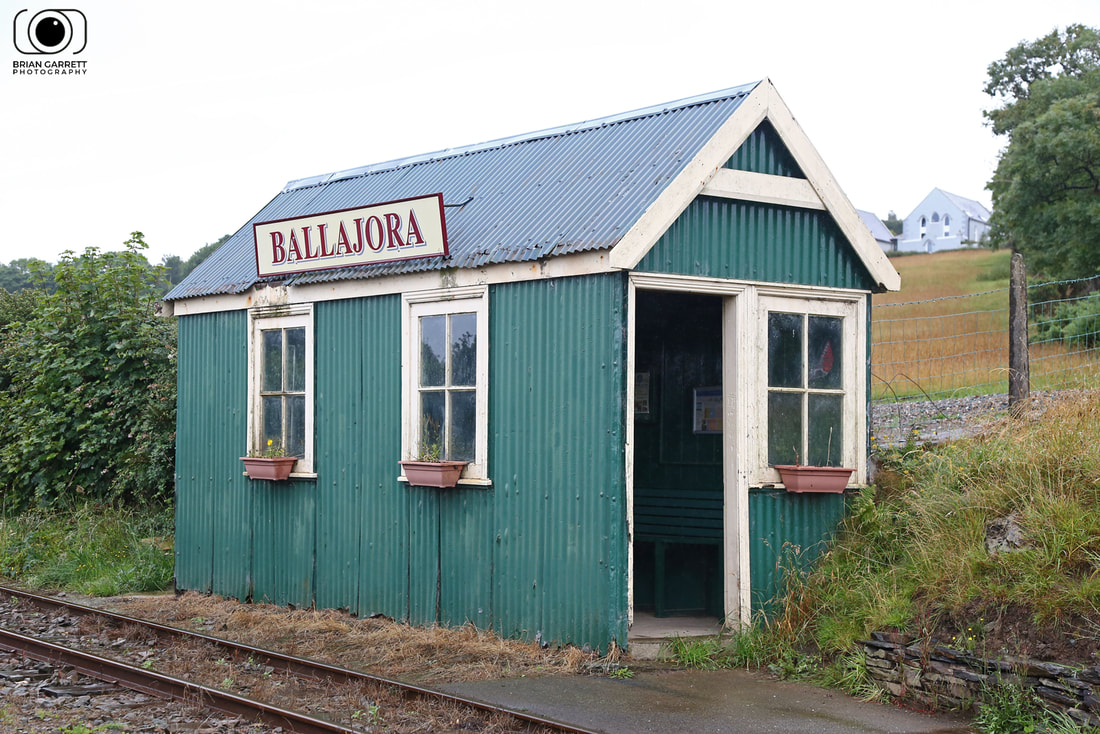
Ballajora - Manx Electric Tram Station
|
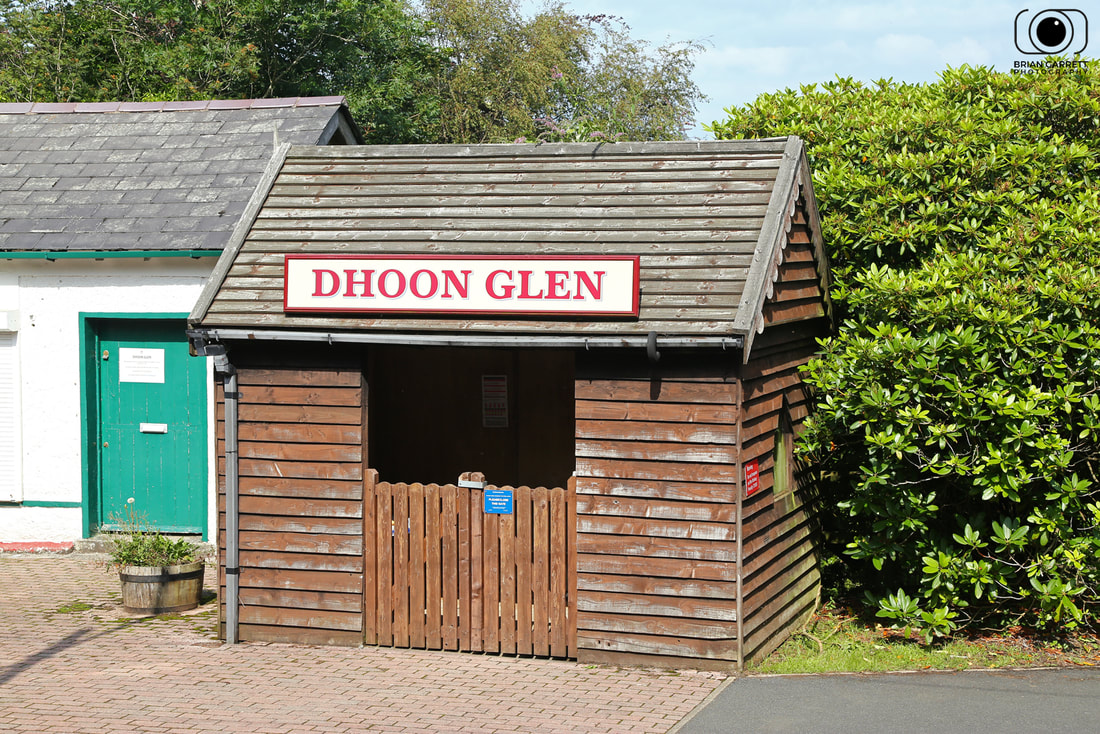
Dhoon Glen Station, Isle of Man
|
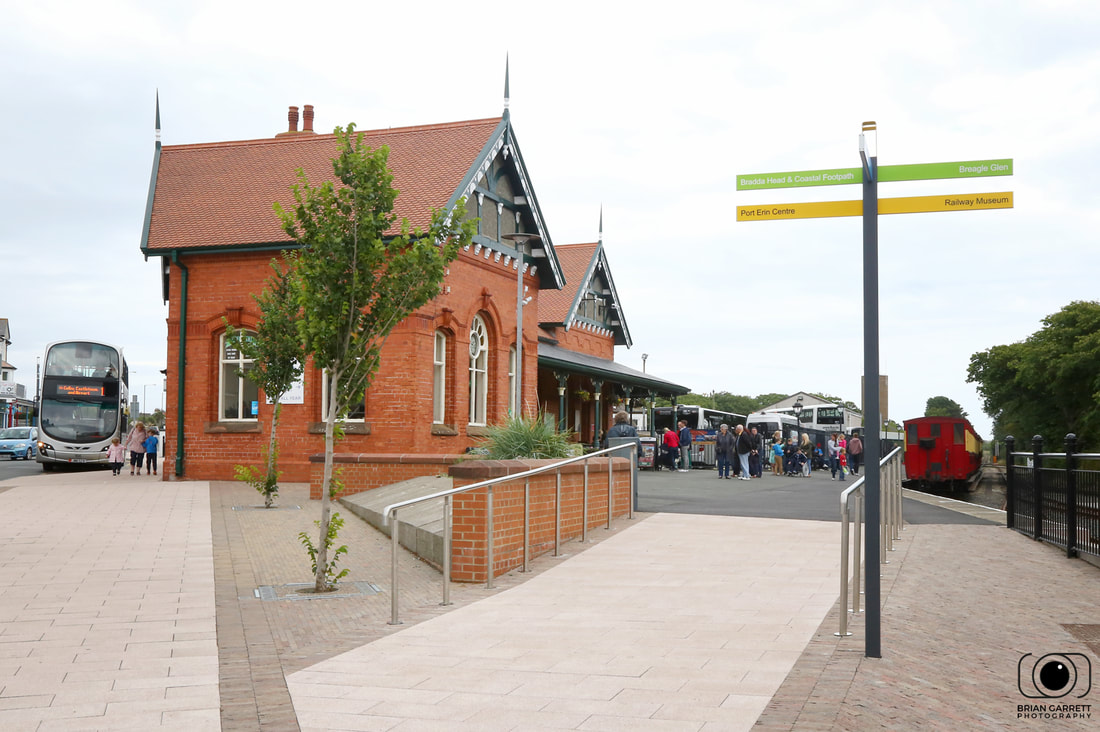
Port Erin Station
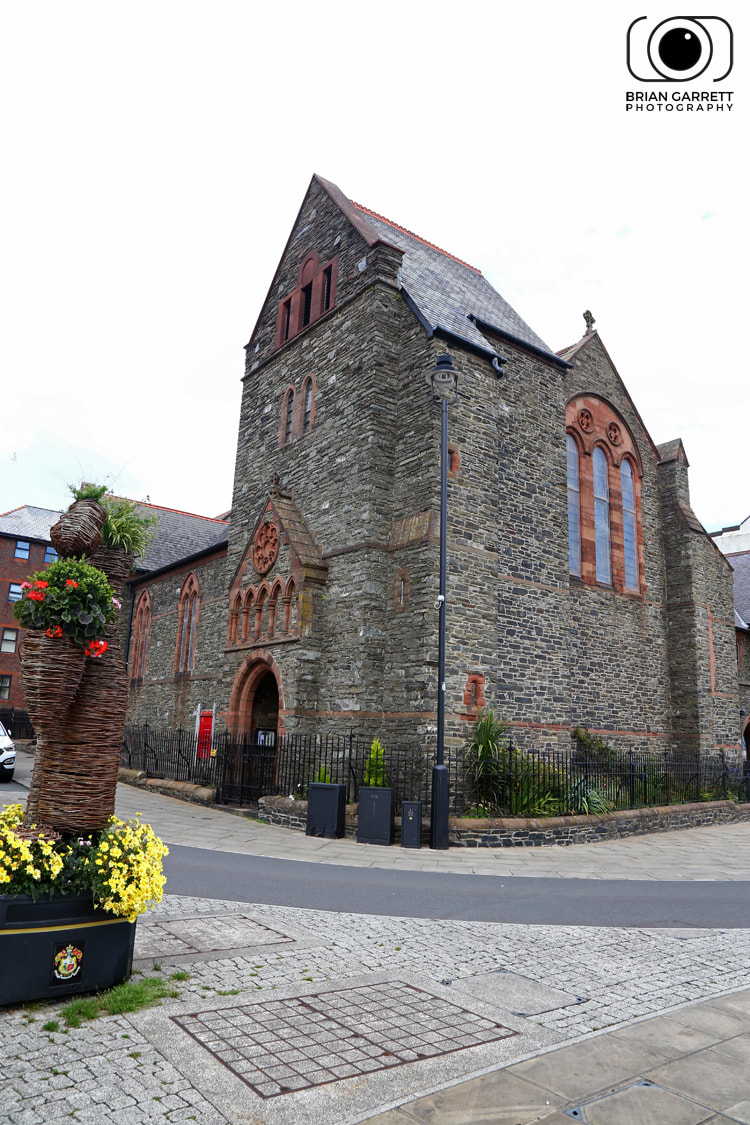
Church of St Matthew - Douglas
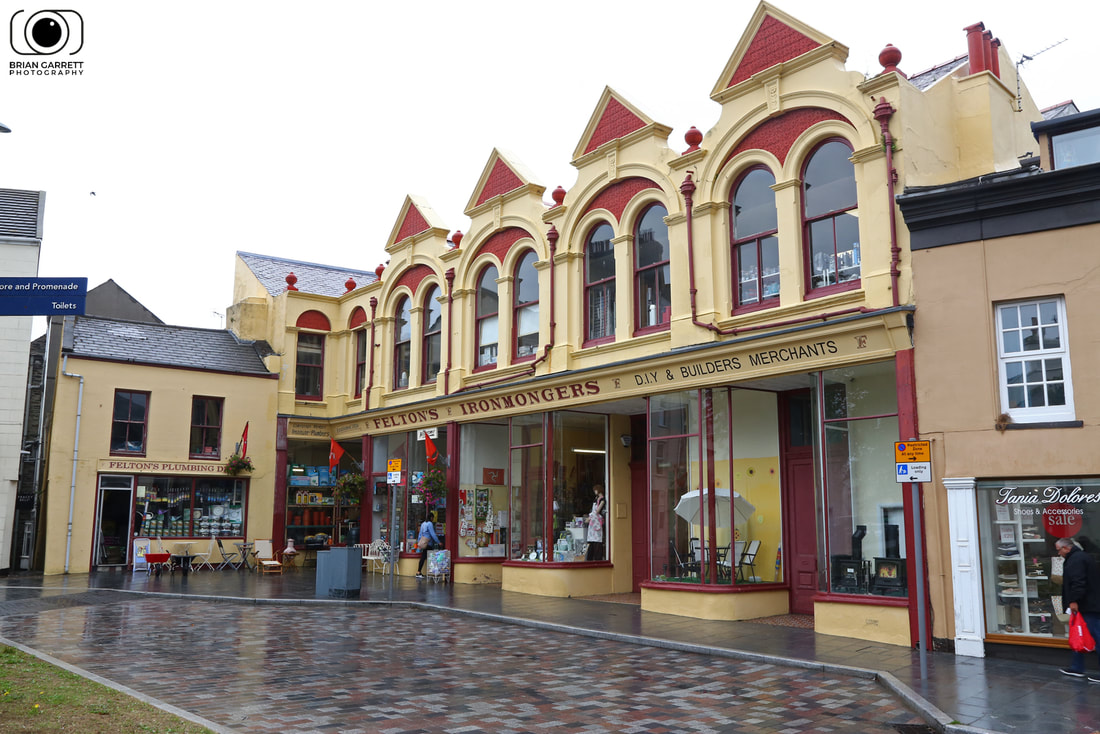
Ironmongers - Ramsey
|
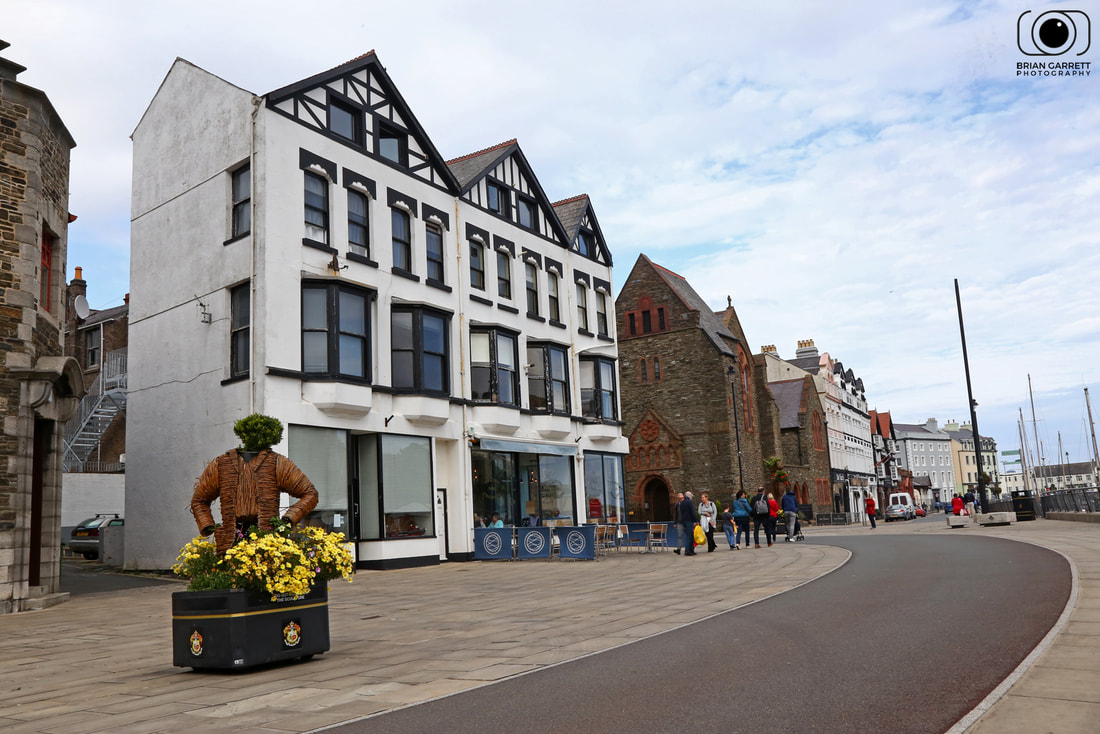
Douglas Harbourside
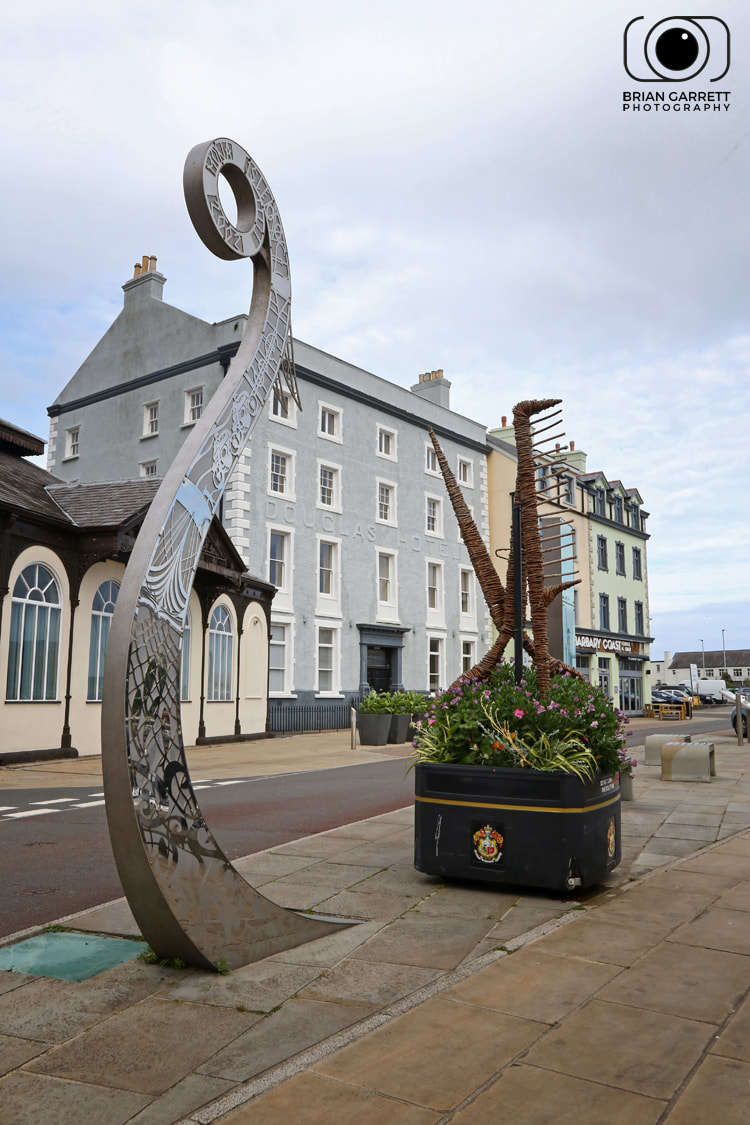
Douglas Hotel
|
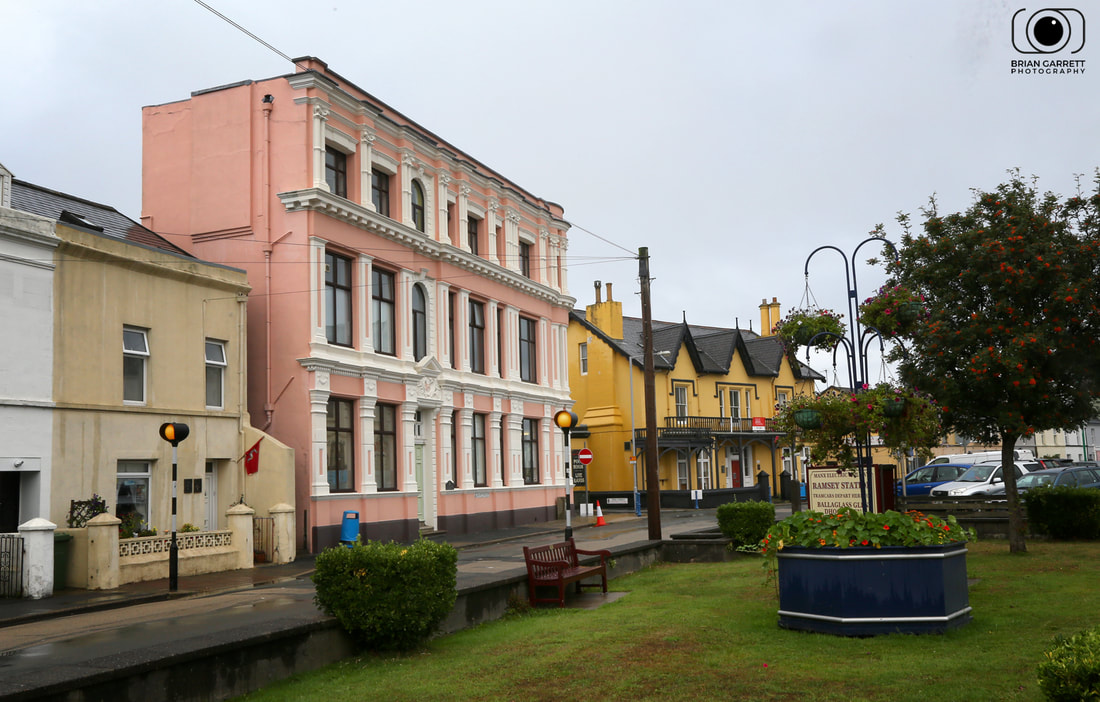
Douglas Town
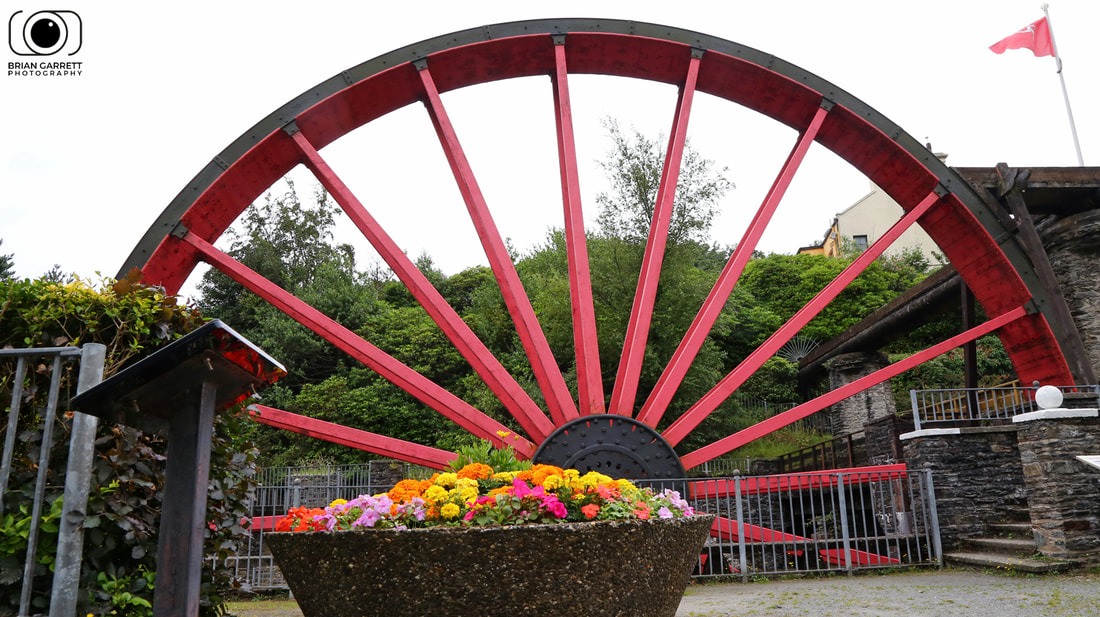
Water Wheel 'Lady Evelyn' at Laxey Mines.
|
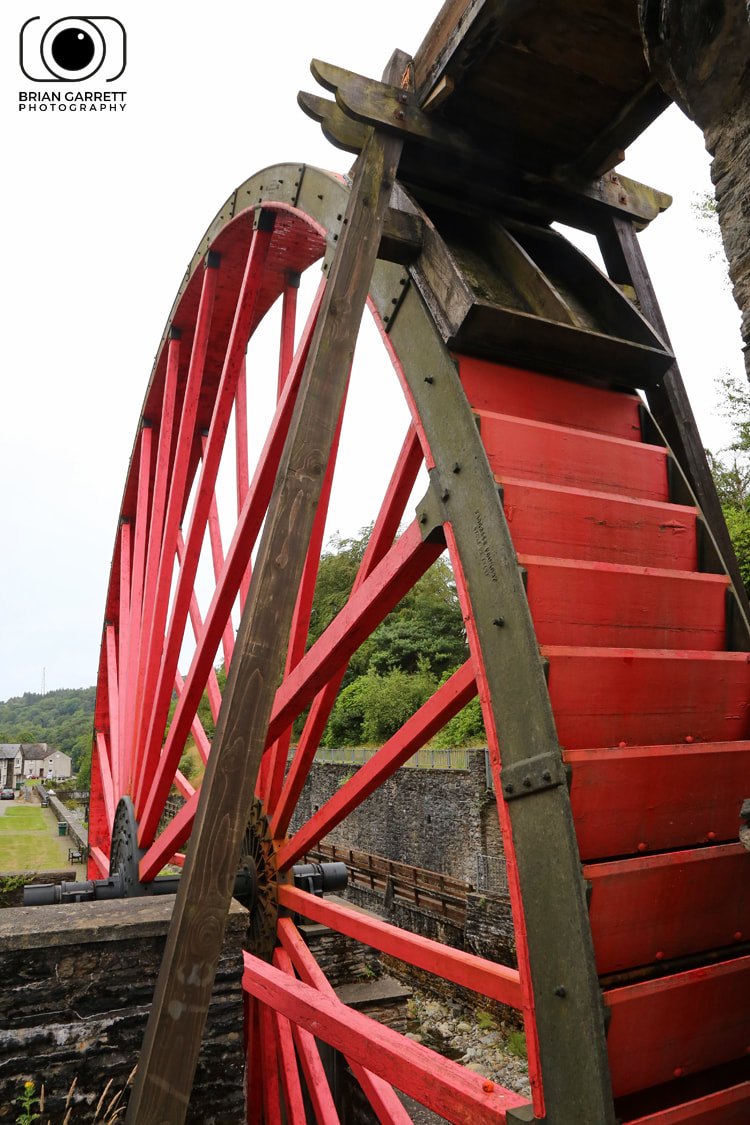
Water Wheel 'Lady Evelyn' at Laxey Mines.
|
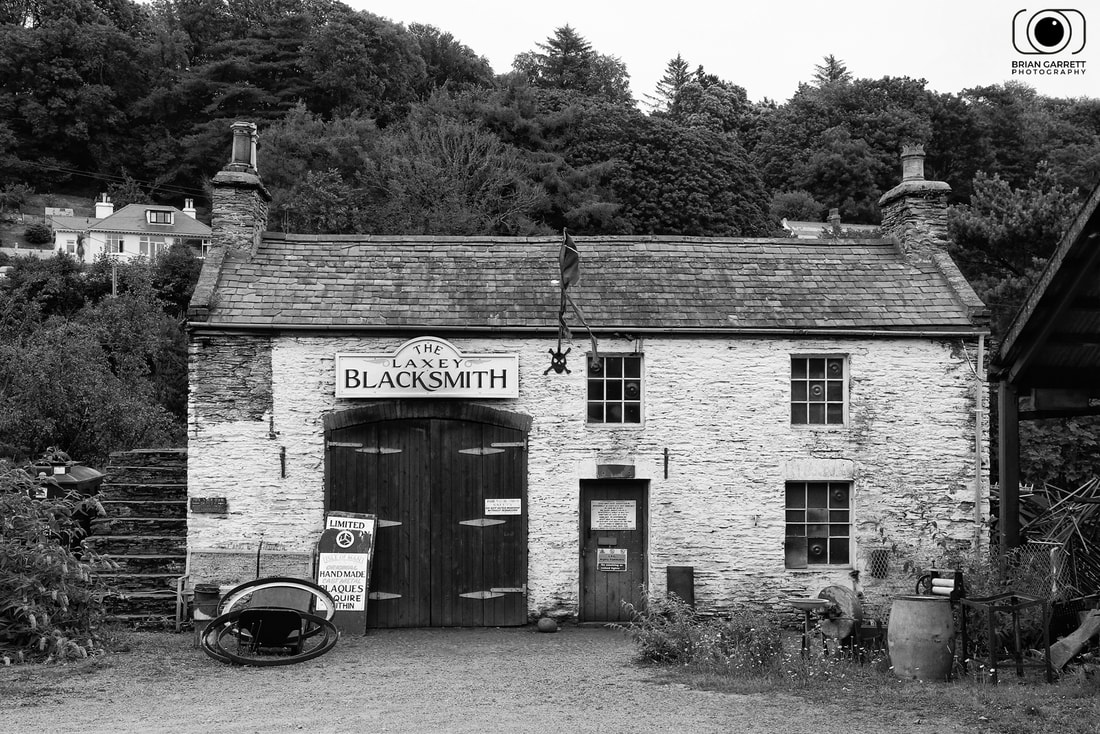
Laxey Blacksmith
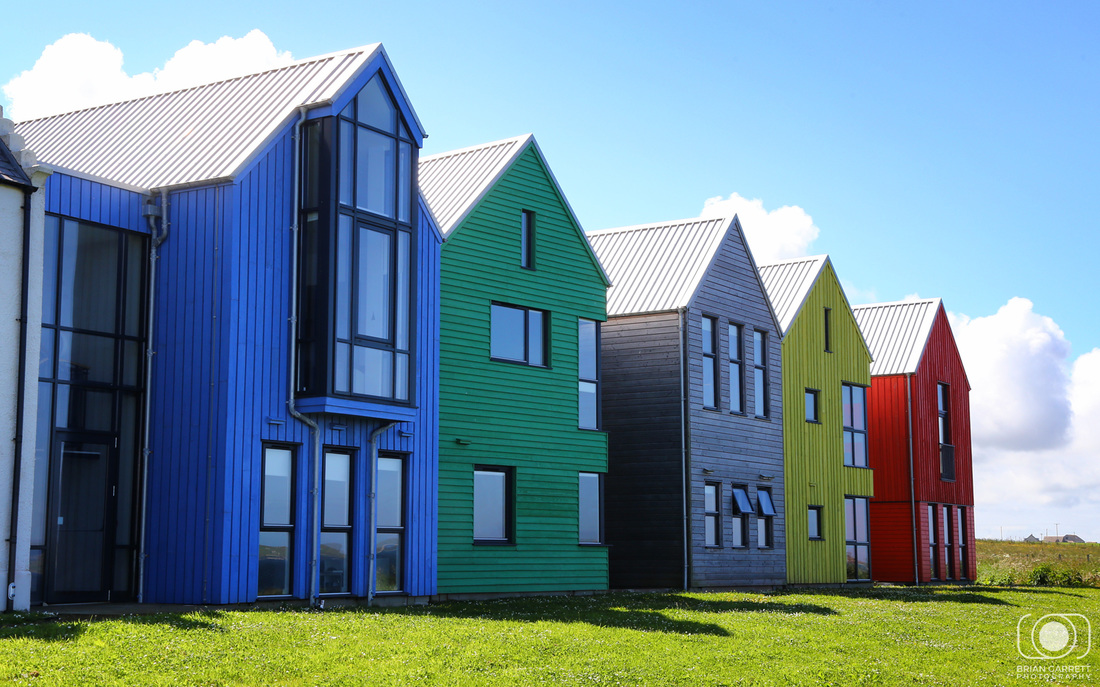
John O Groats - New homes built in a colorful regeneration project.
|
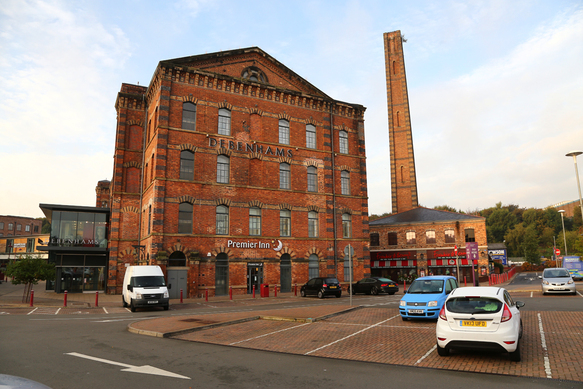
Kidderminster Premier Inn: With Kidderminster renowned as a centre for carpet manufacturing, this site was rejuvenated with the conversion of the former weaving mill into a new department store and hotel. Slingfield Mill was built in 1864 by Thomas Lea. The architects were Lockwood and Mawson of Bradford, well known for their textile mills. The finest yarns for the carpet industry were spun on machinery driven by a steam engine powered from boilers in the nearby boiler house with its square chimney. In 1920 Lea Ltd became part of Carpet Trades who sold it to Brintons in 1948. By the late 1980's yarn spinning had ceased and in 2003 the Mill became a retail outlet.
|
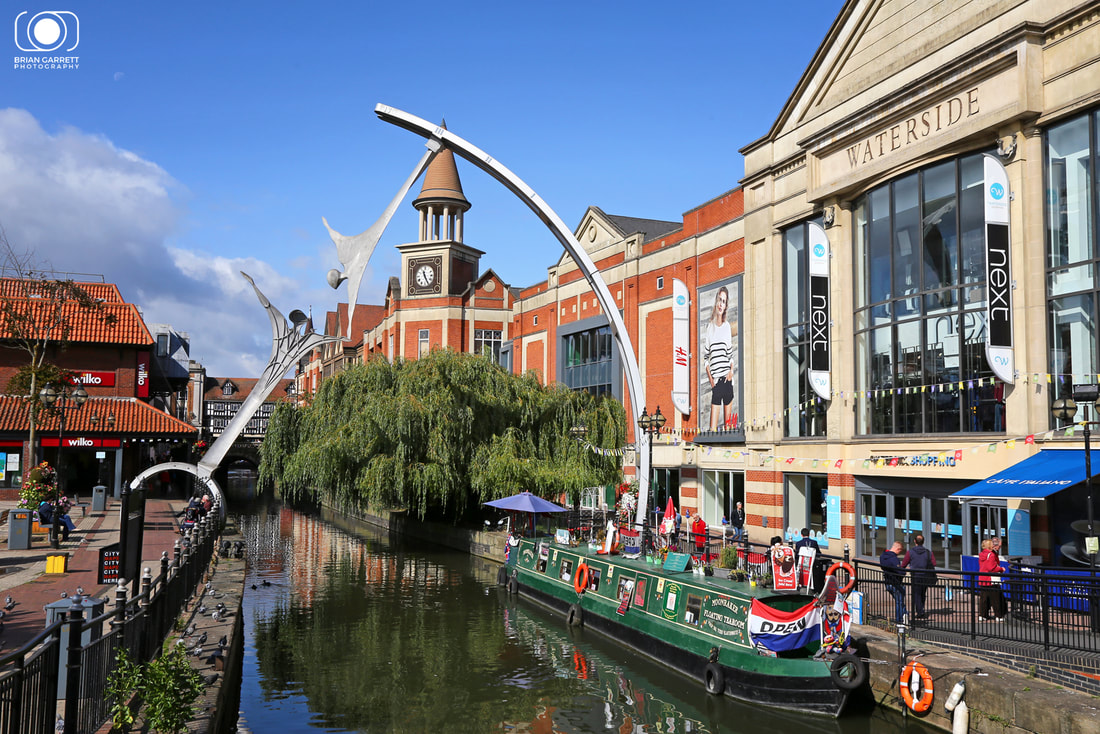
Lincoln
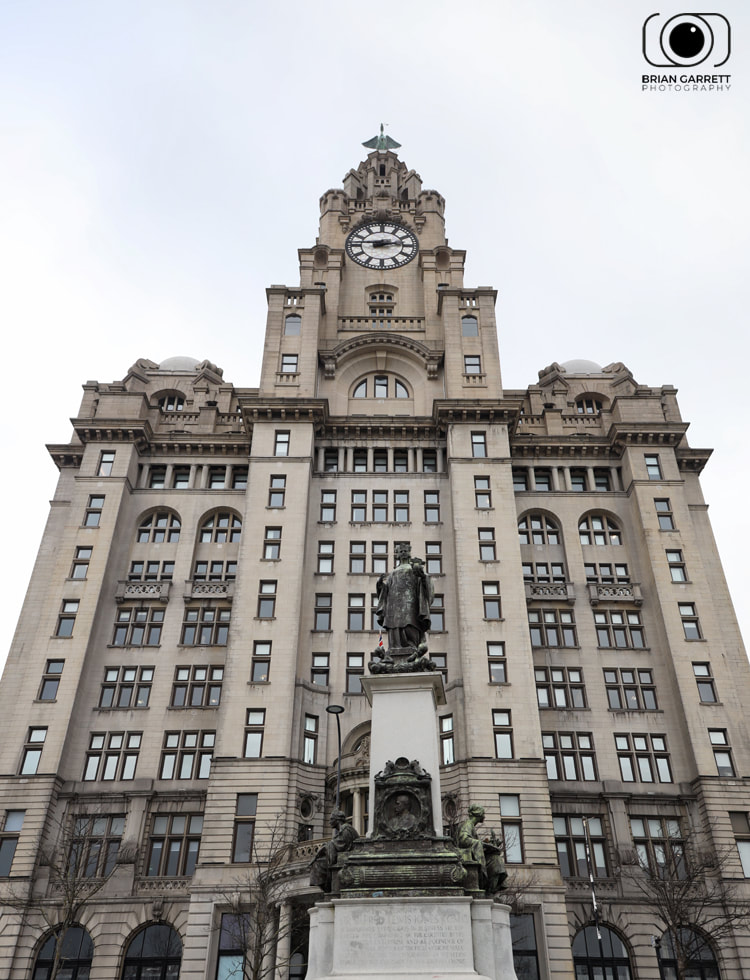
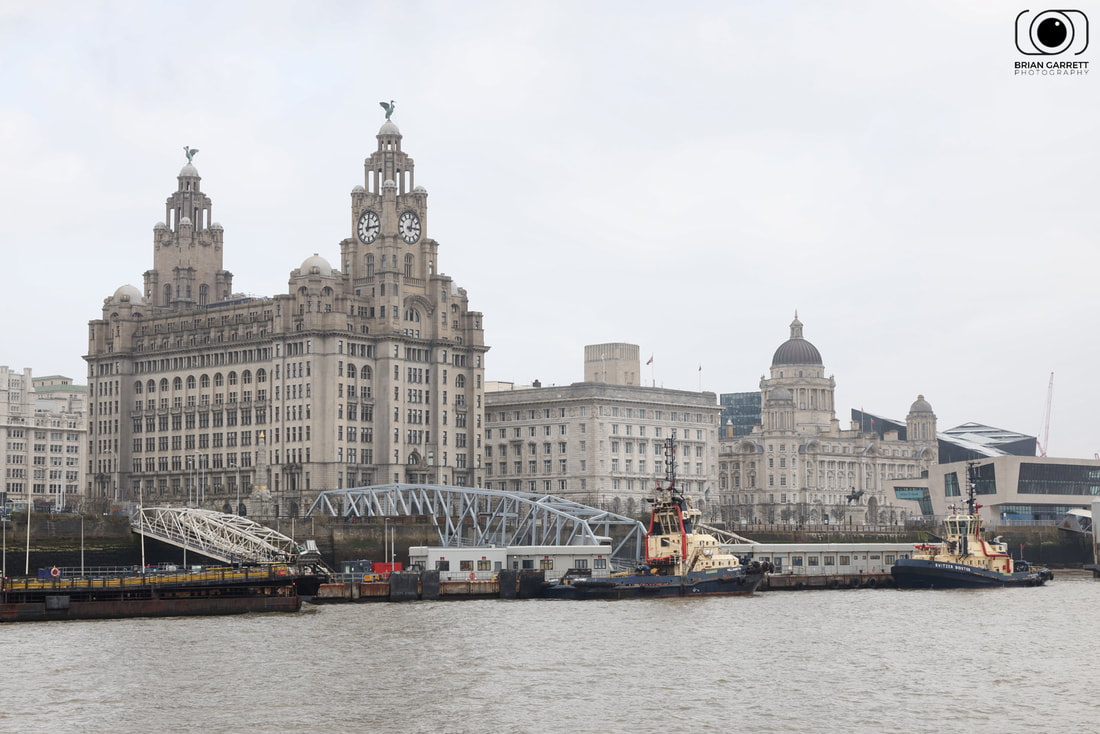
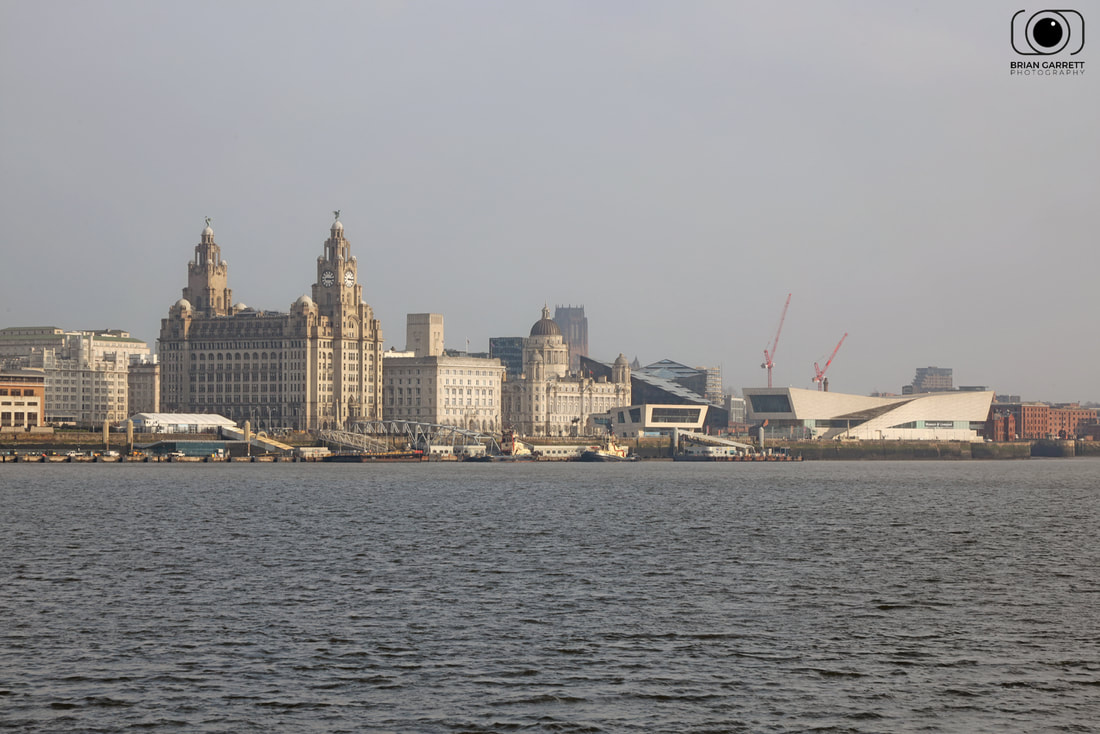
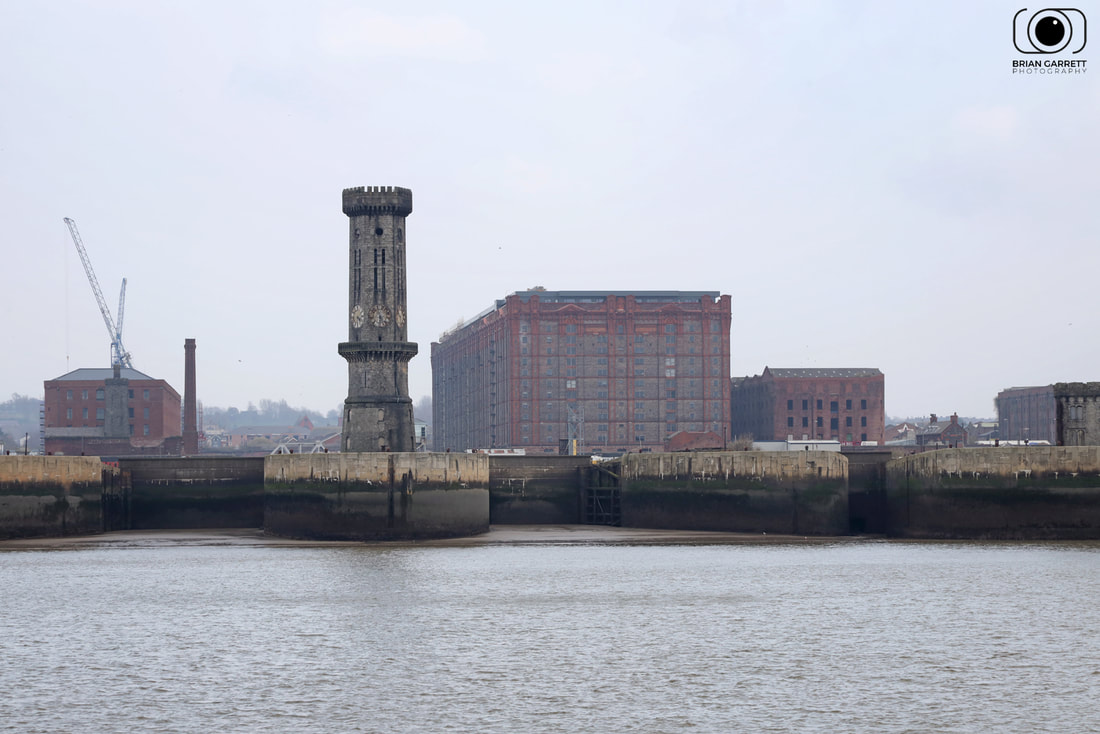
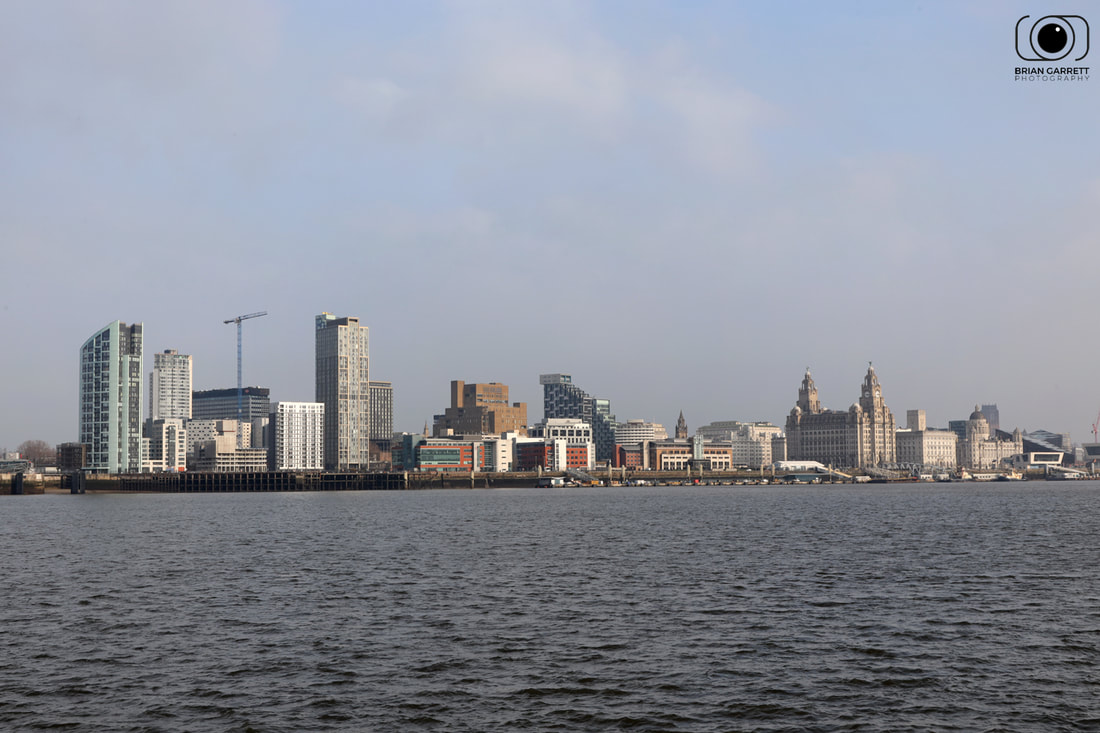
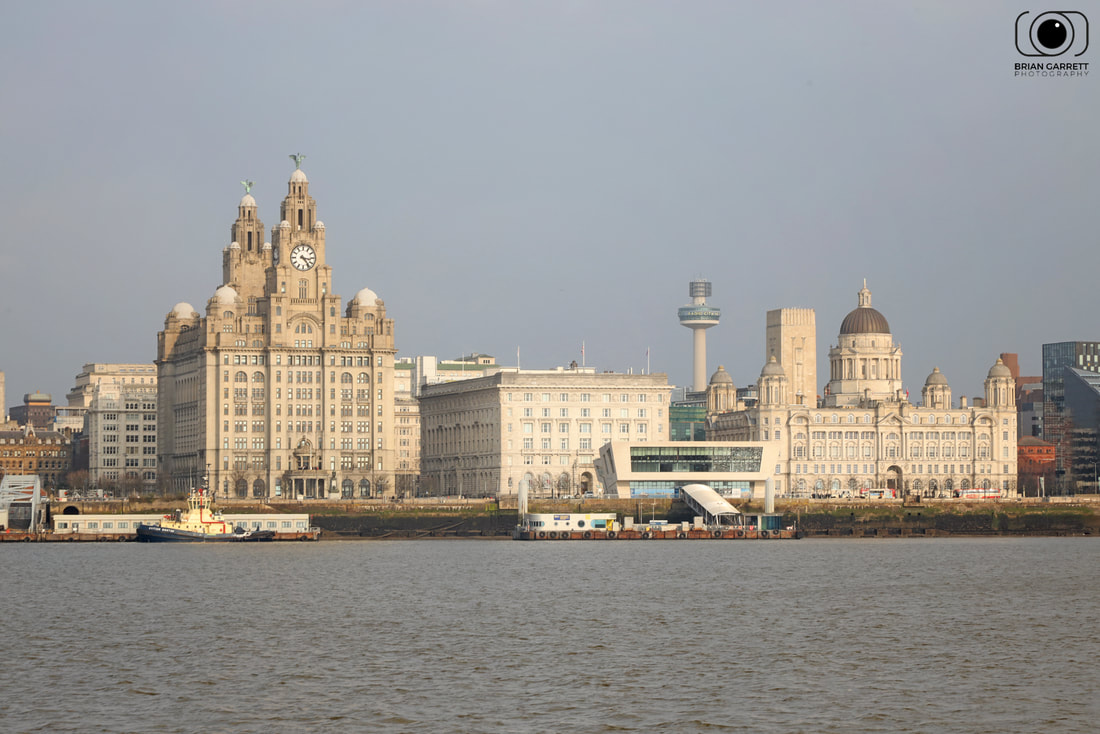
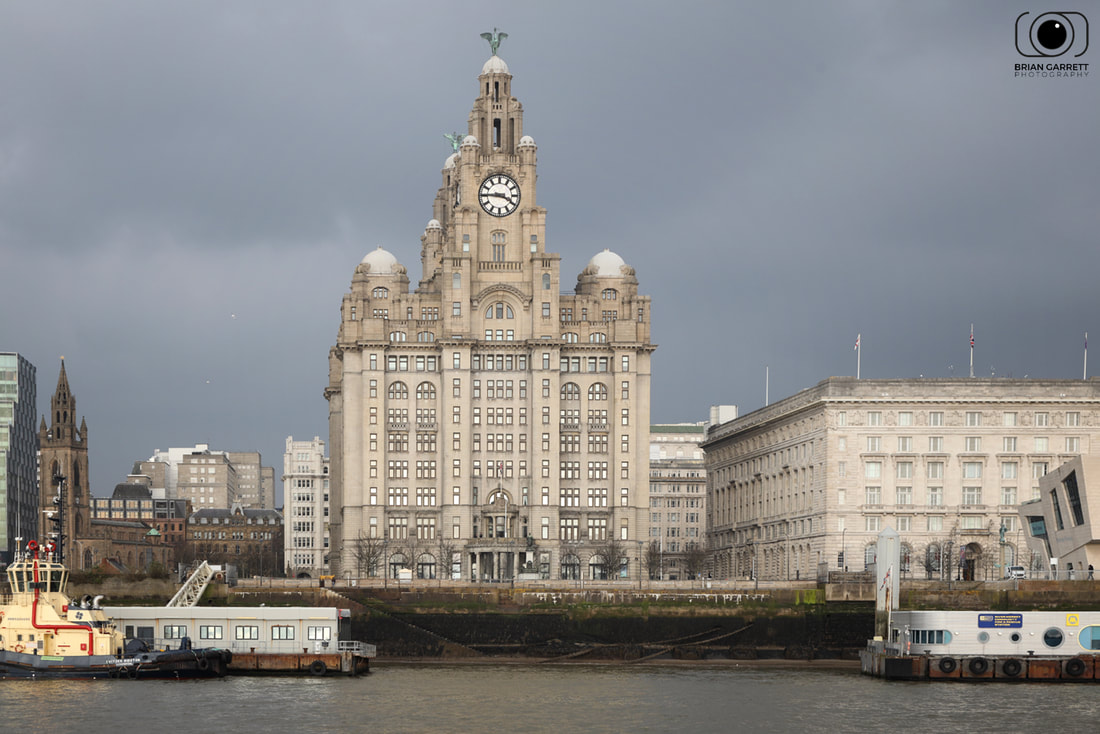
Liverpool
|
|
|
|
|
|
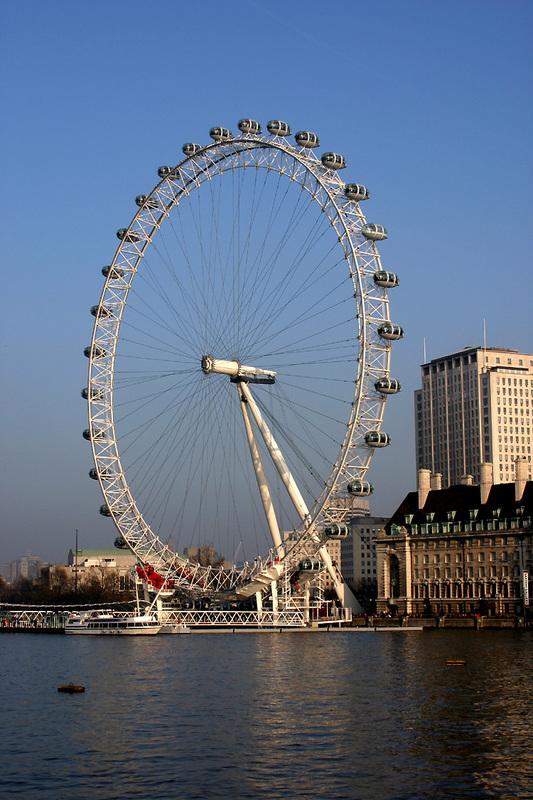
London
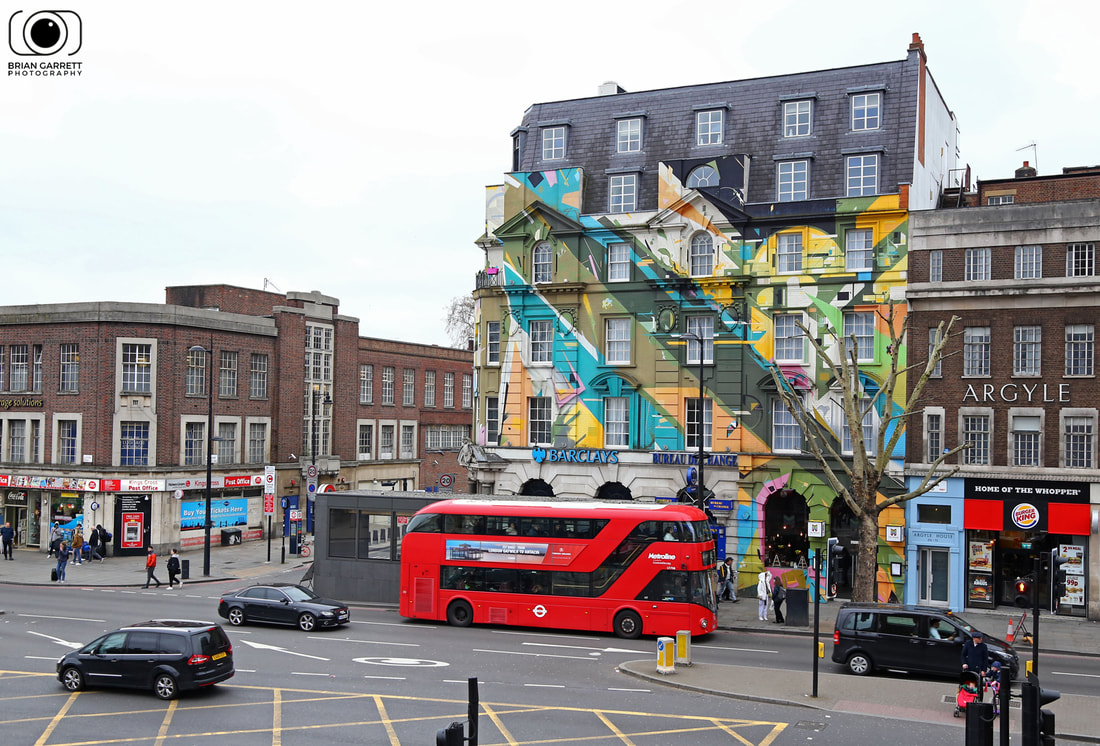
In March, 2012, a massive graffiti mural was completed on a building opposite King's Cross station. The vivid artwork was commissioned by the building and hotel owner, Tony Megaro. This image shows the artwork in place in April 2019.
|
|
|
|
|
|
|
|
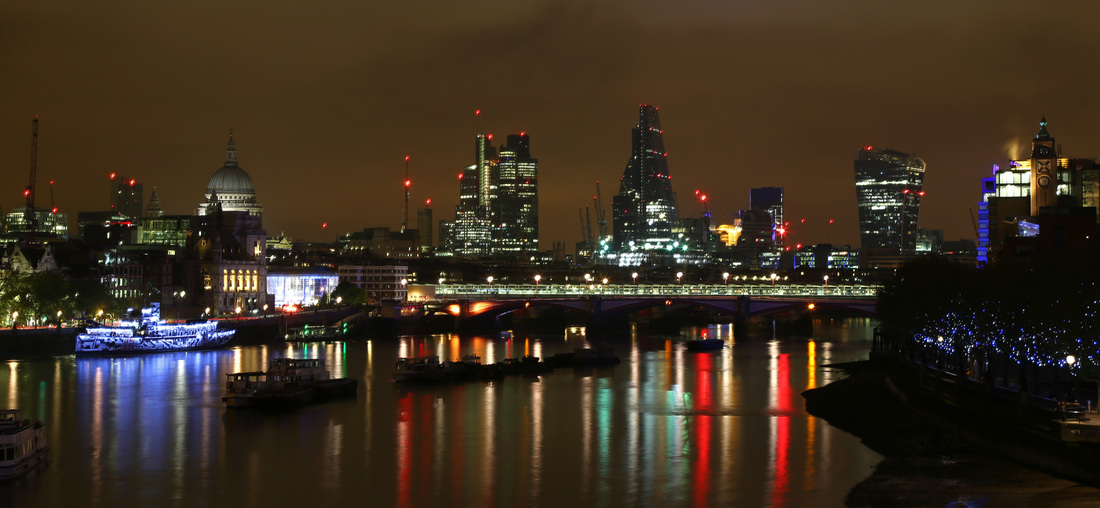
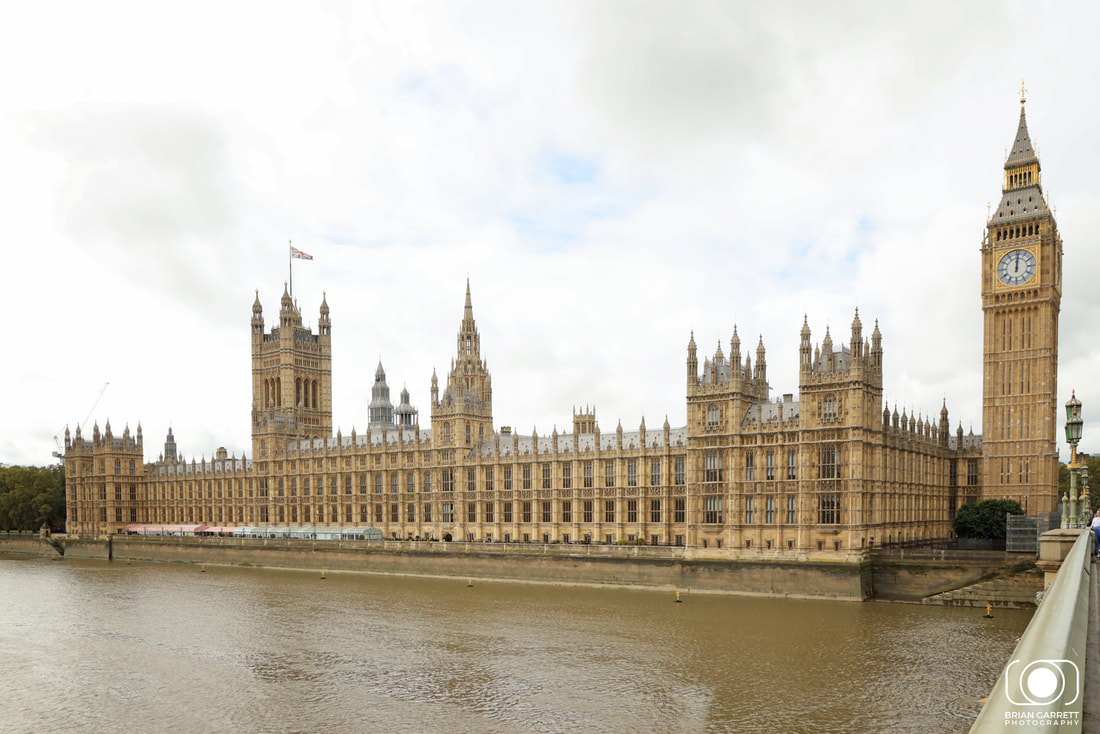
Houses of Parliament - Westminster
|
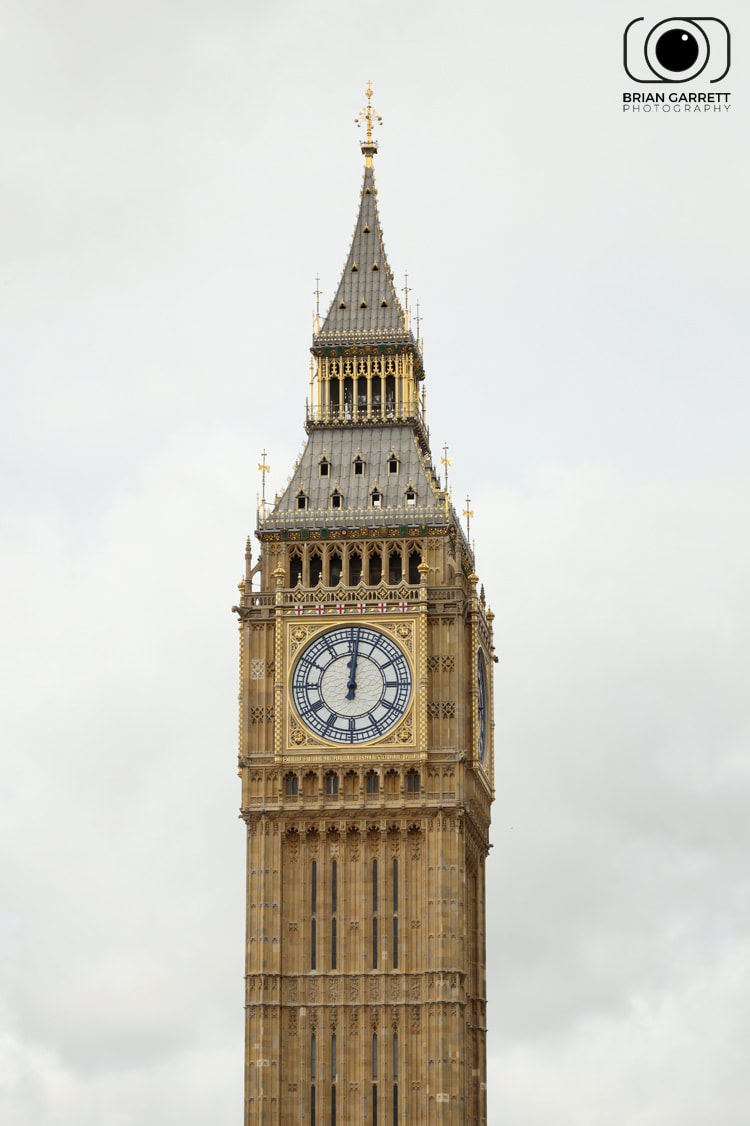
Big Ben - Westminster
|
Manchester:
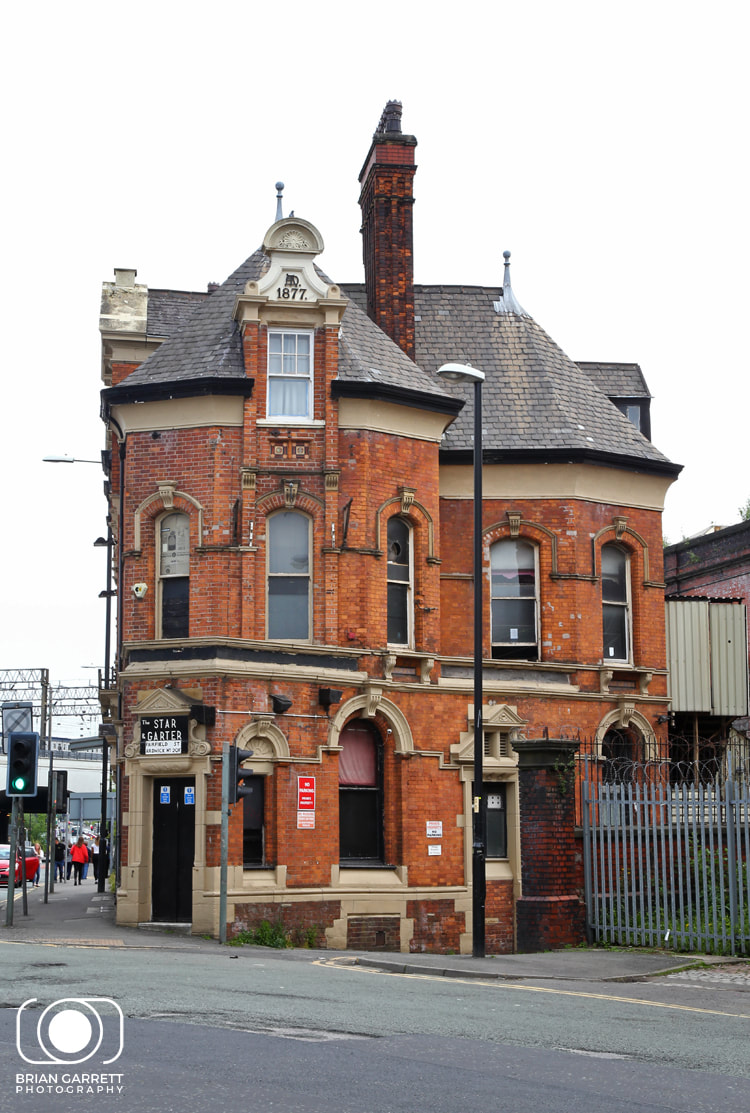
|
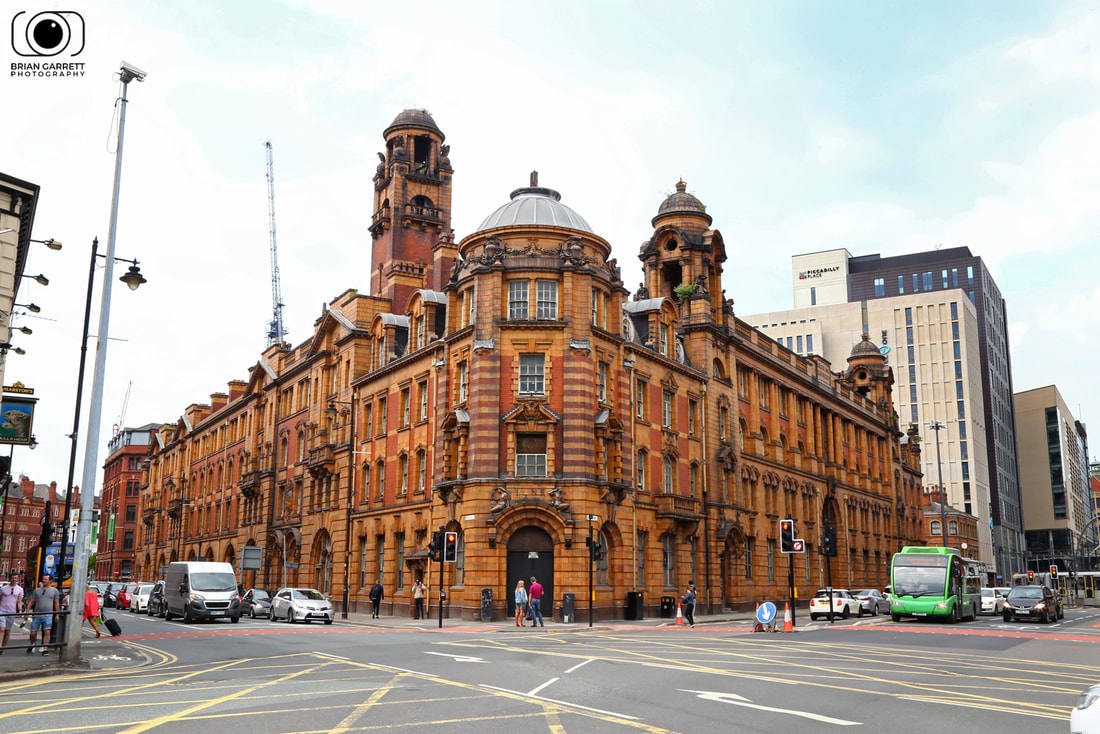
|
|
|
|
|
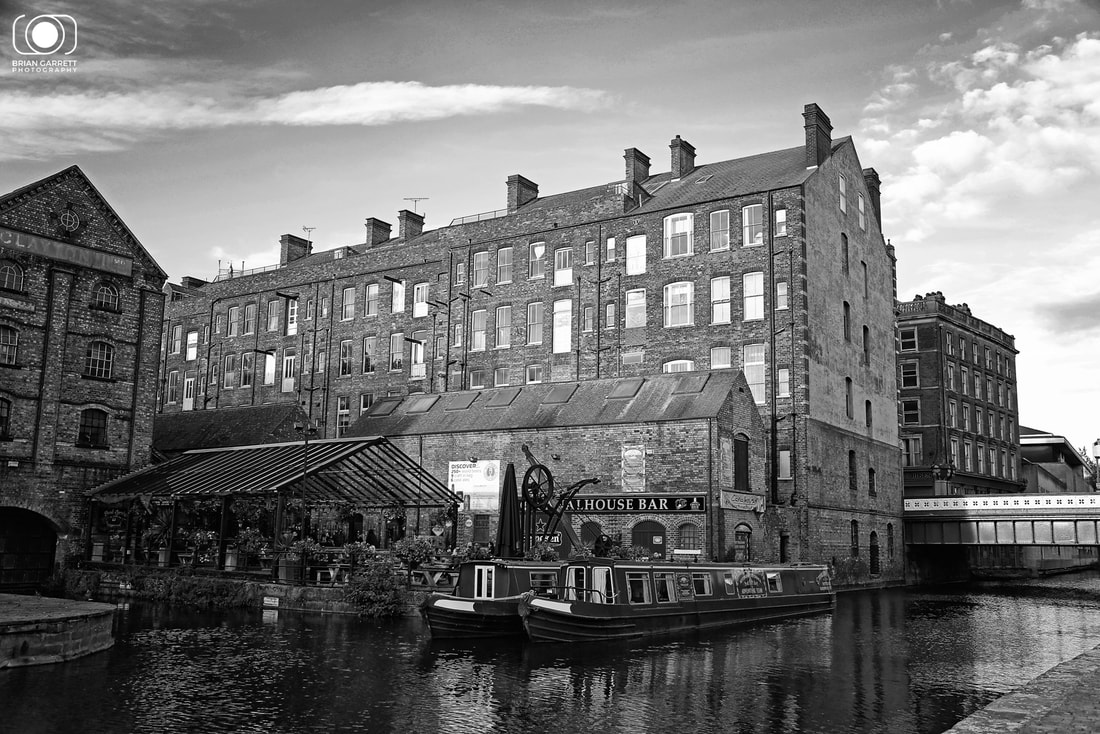
Nottingham
|
|
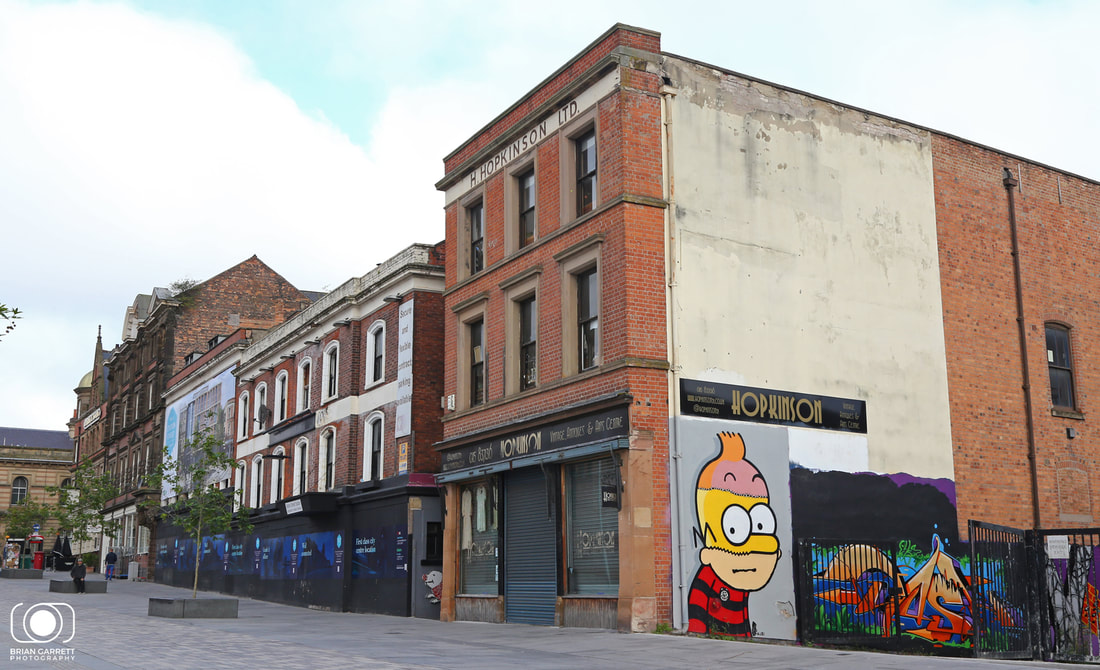
H Hopkinson Ltd, Antiques: Nottingham
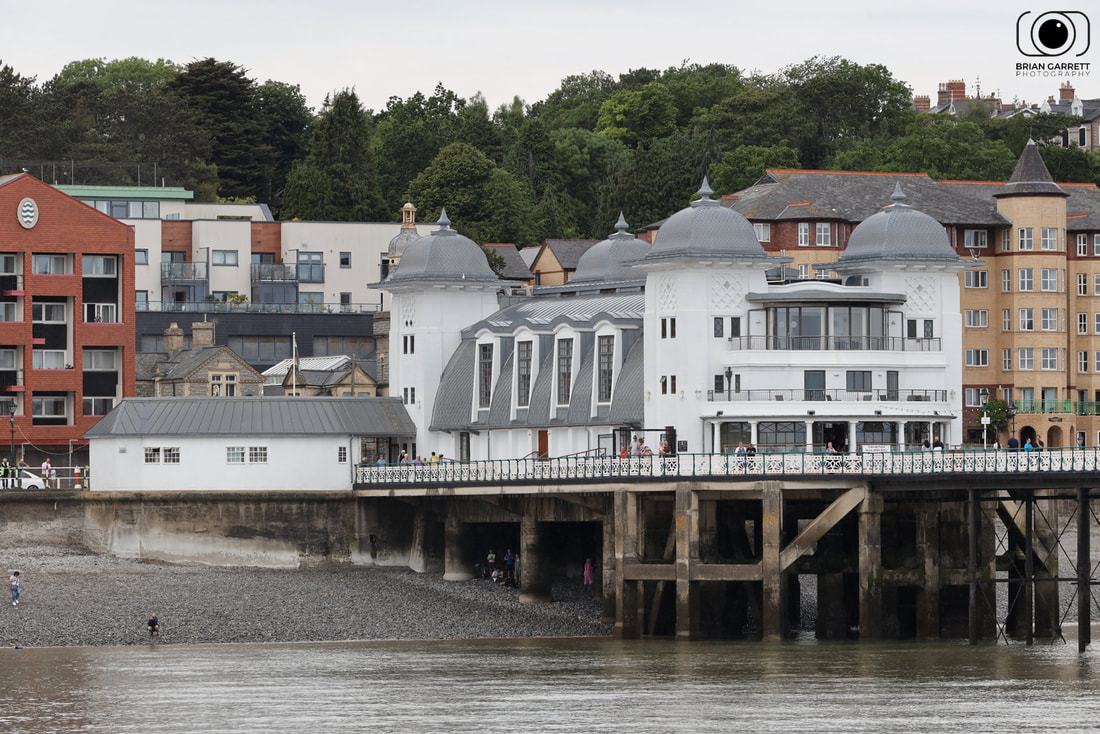
Penarth Pier
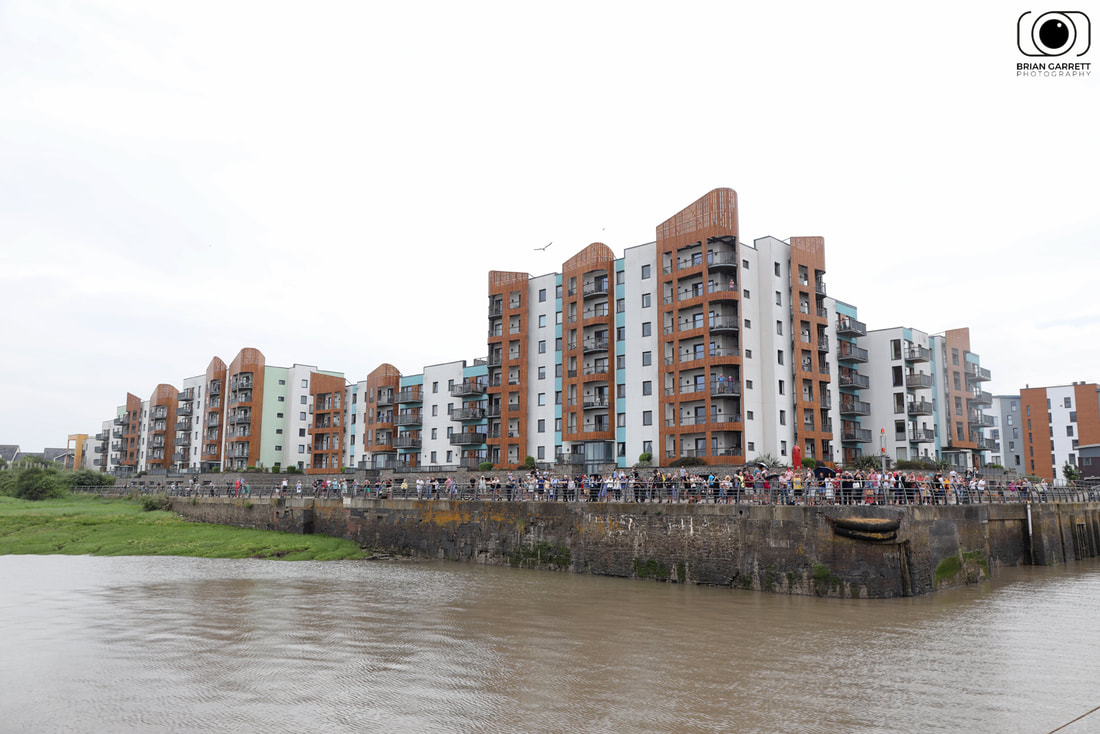
Portishead Harbour
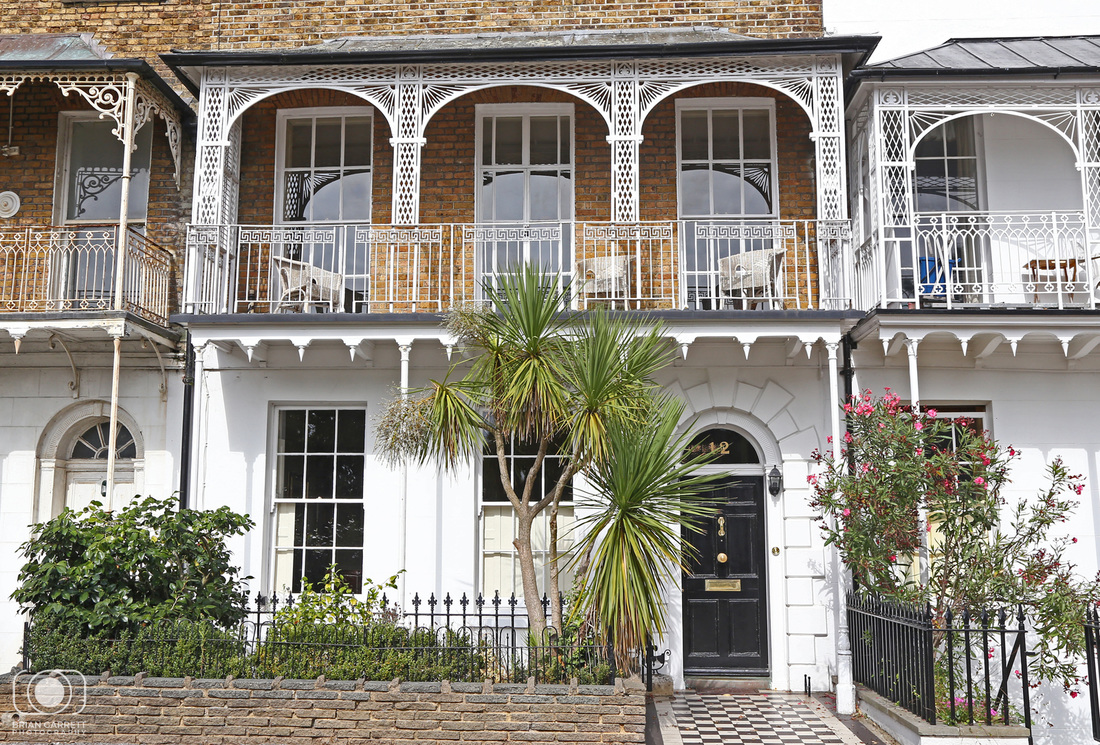
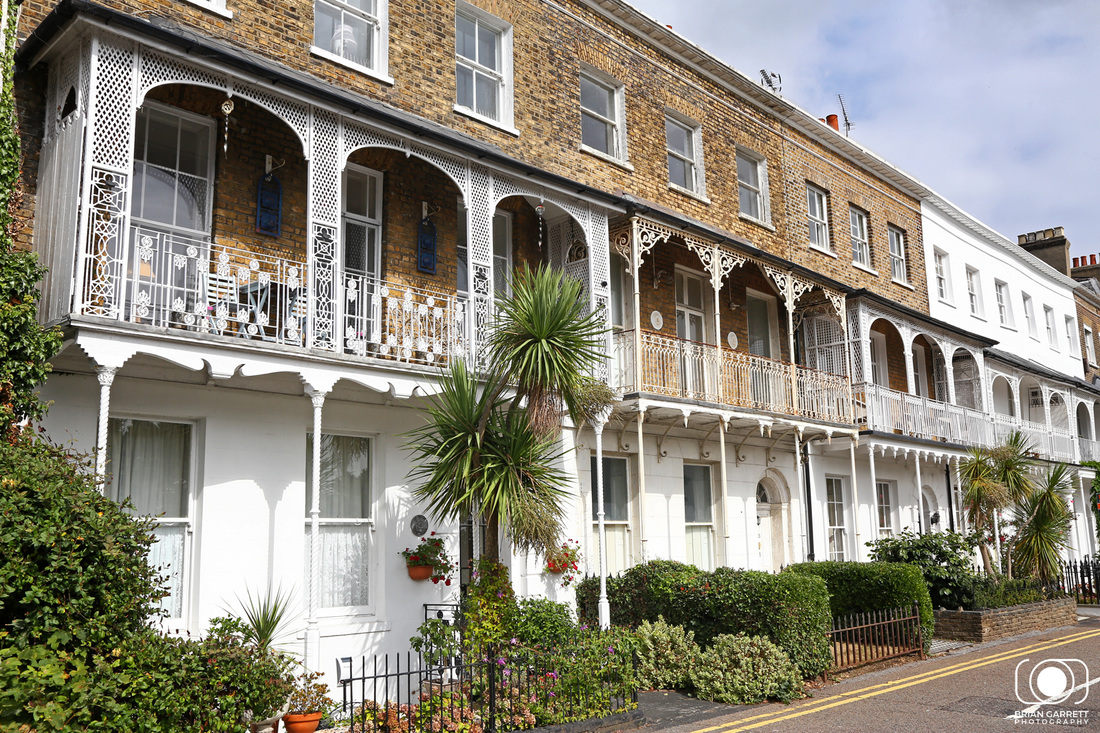
Southend on Sea
|
|
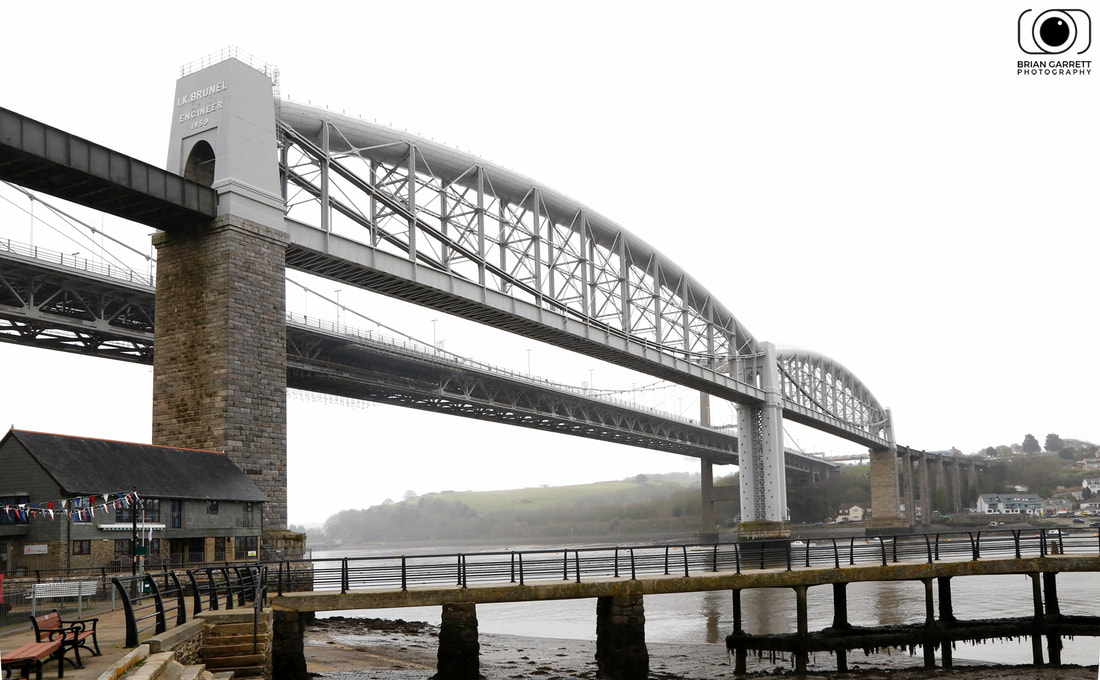
Saltash
Settle & Carlisle
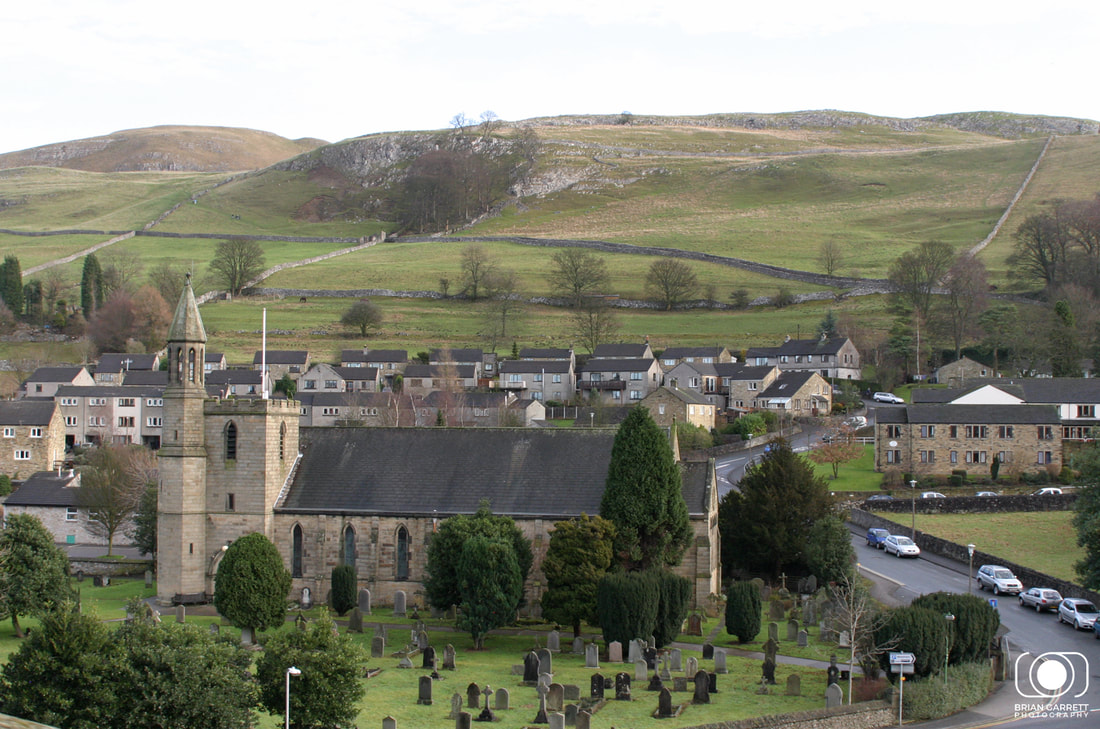
Settle Parish Church, 21st January 2006
Southend on Sea - Pier
Stourbridge Junction

Taunton
|
|
|
|
|
|